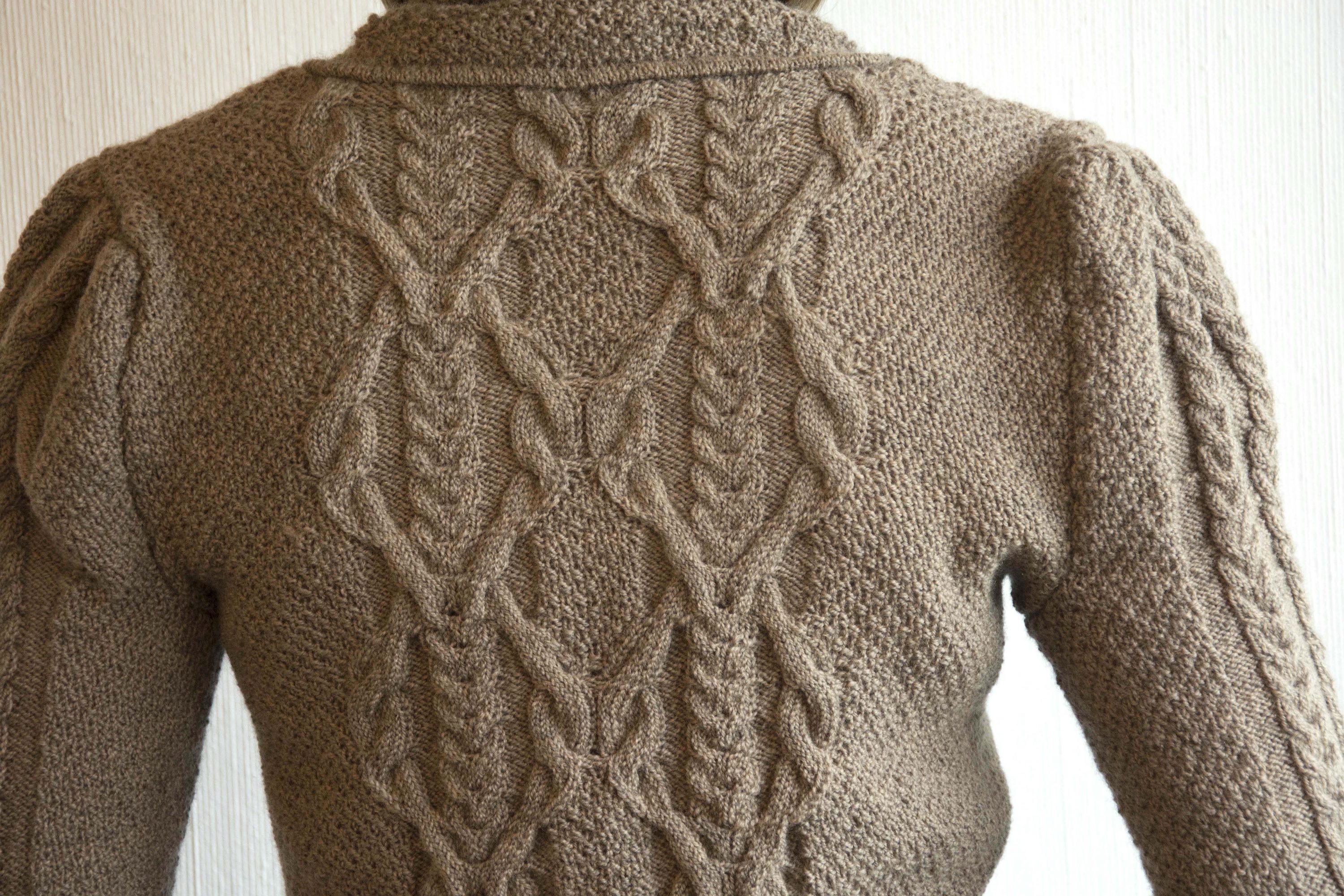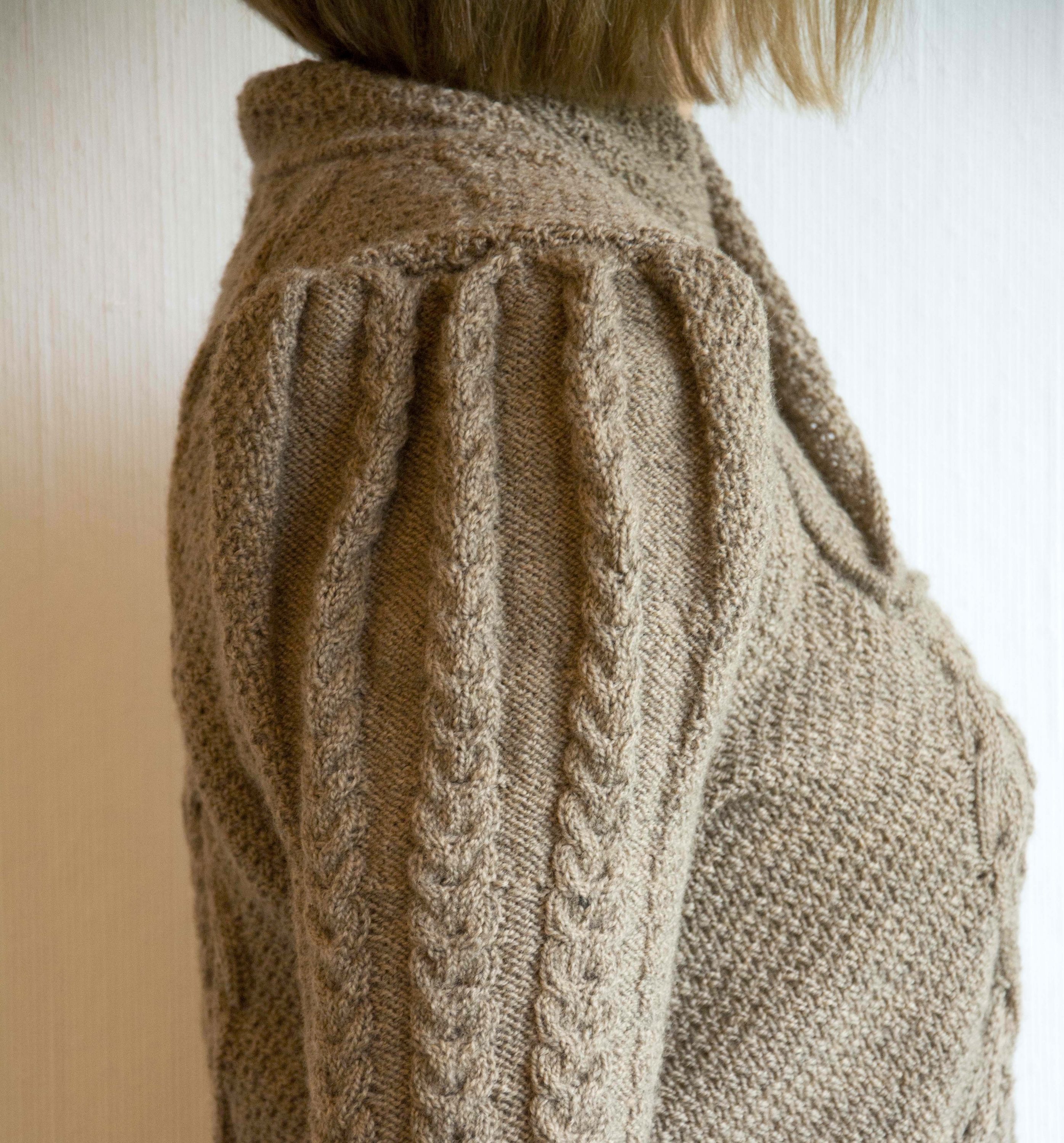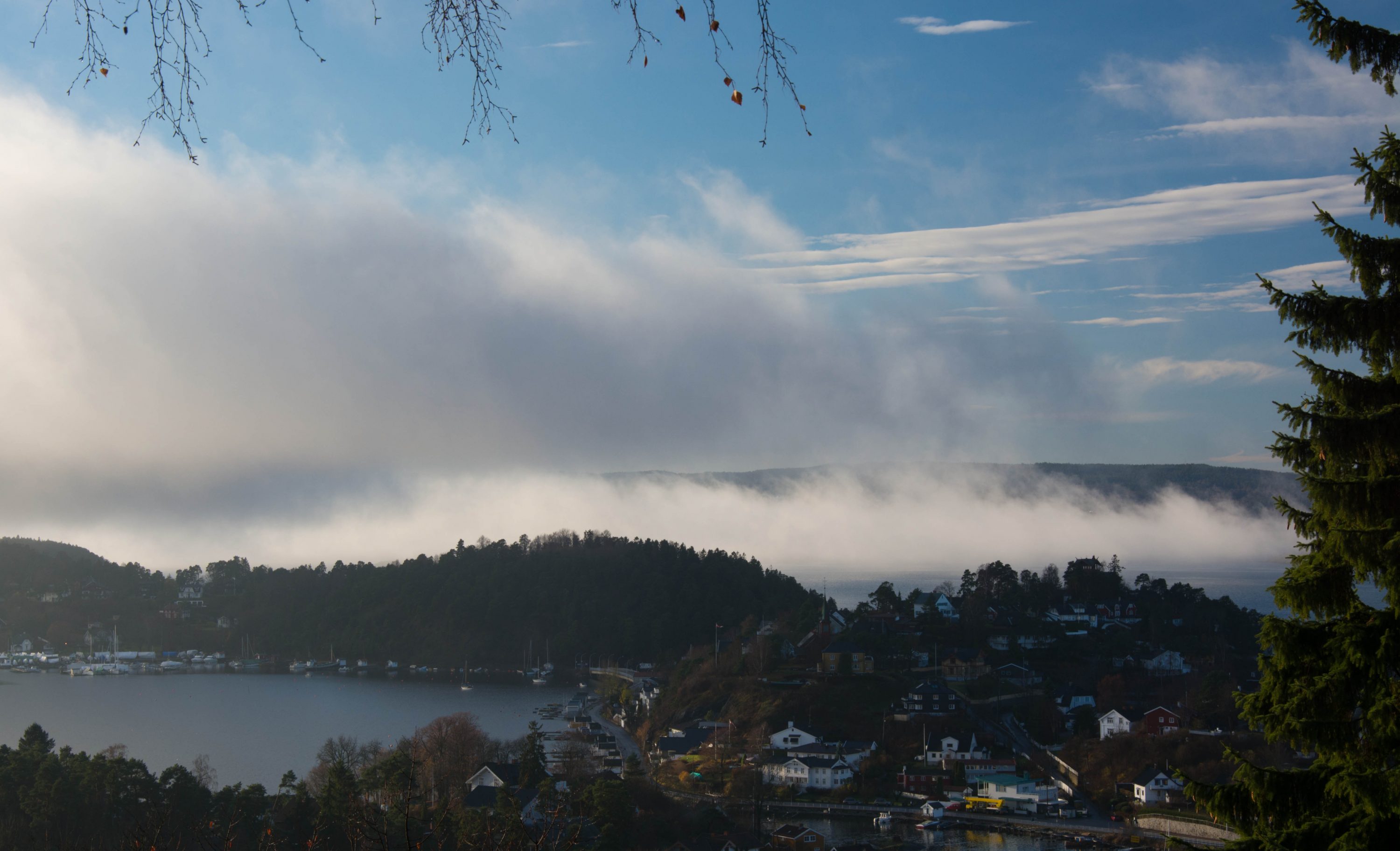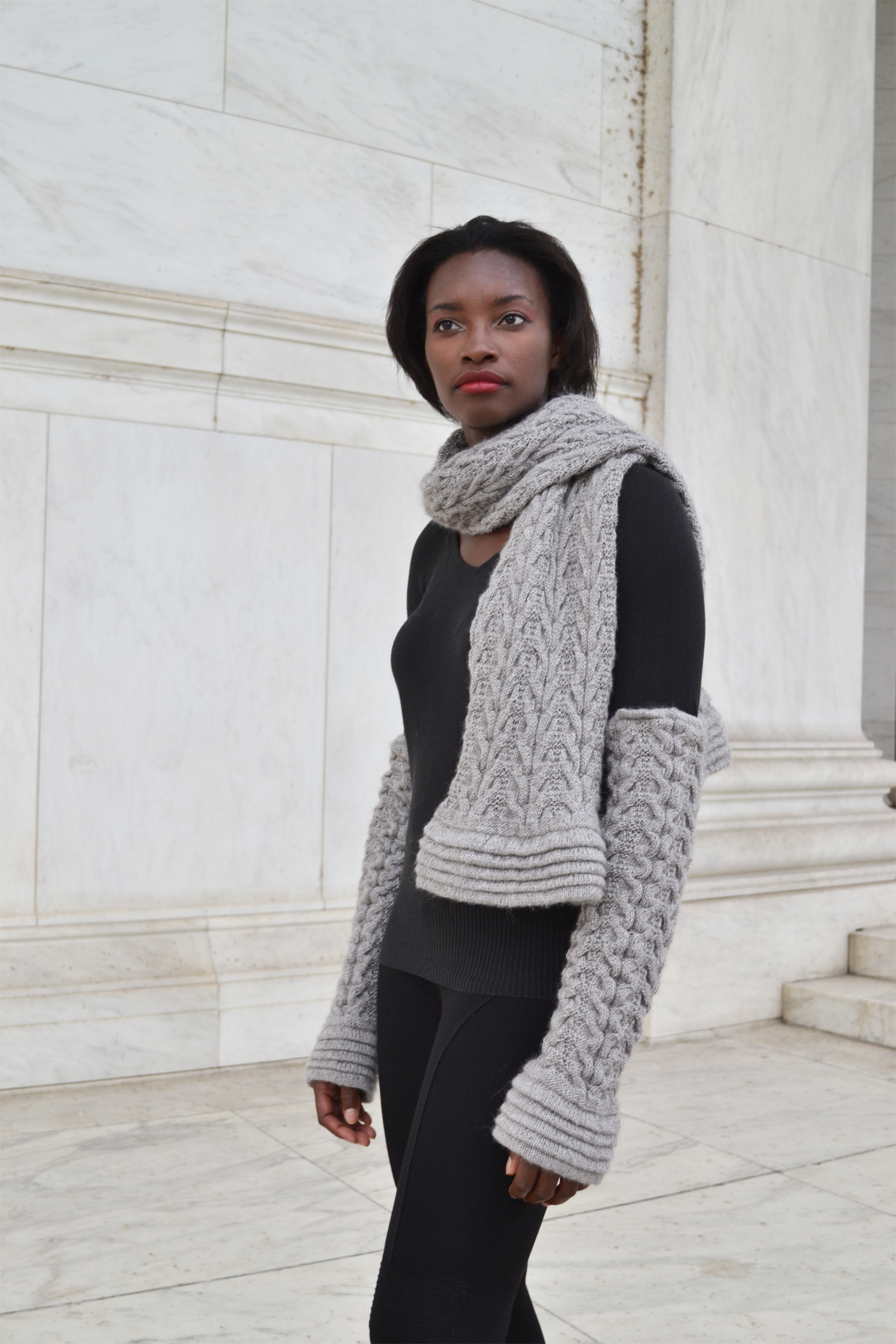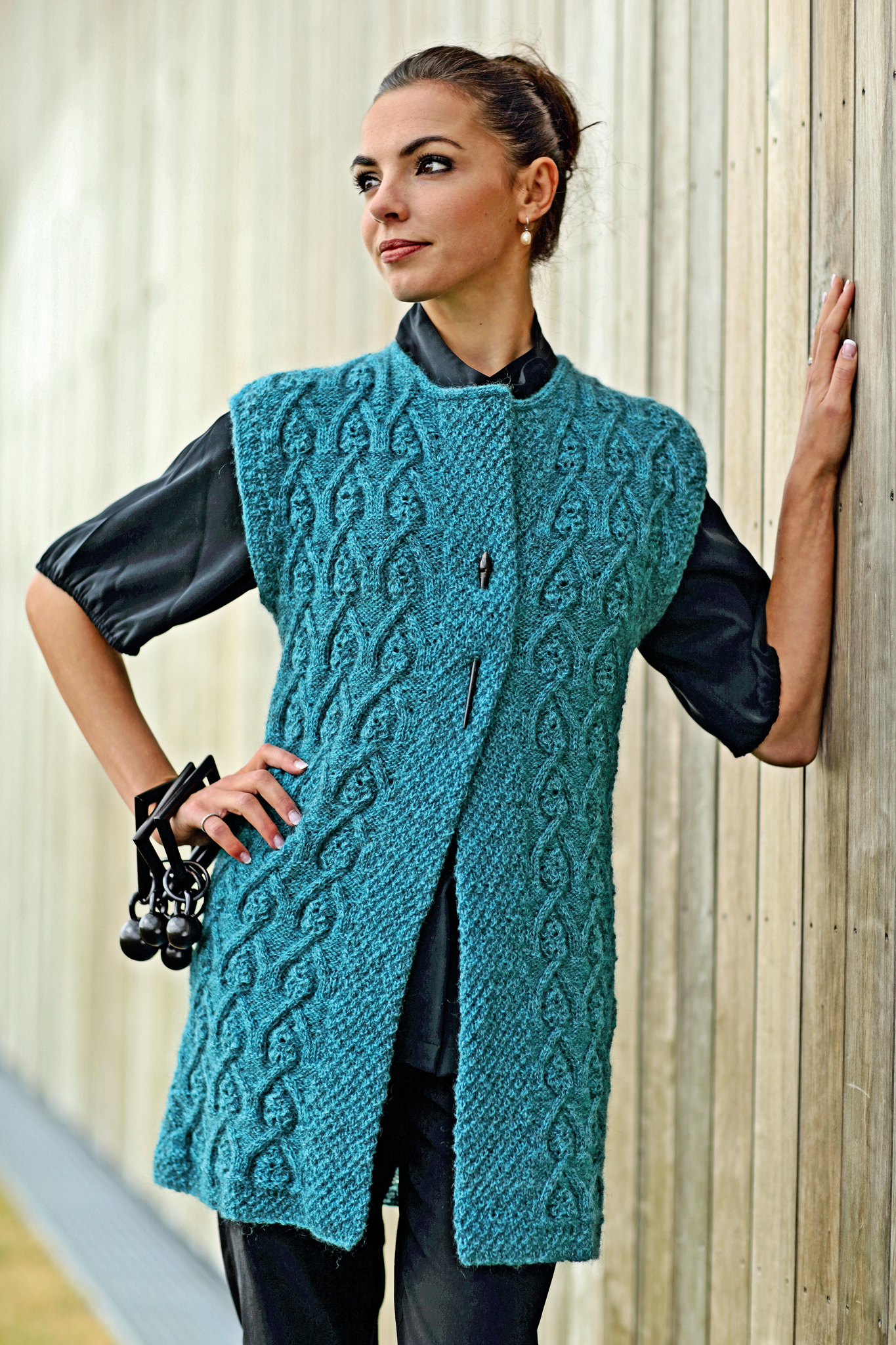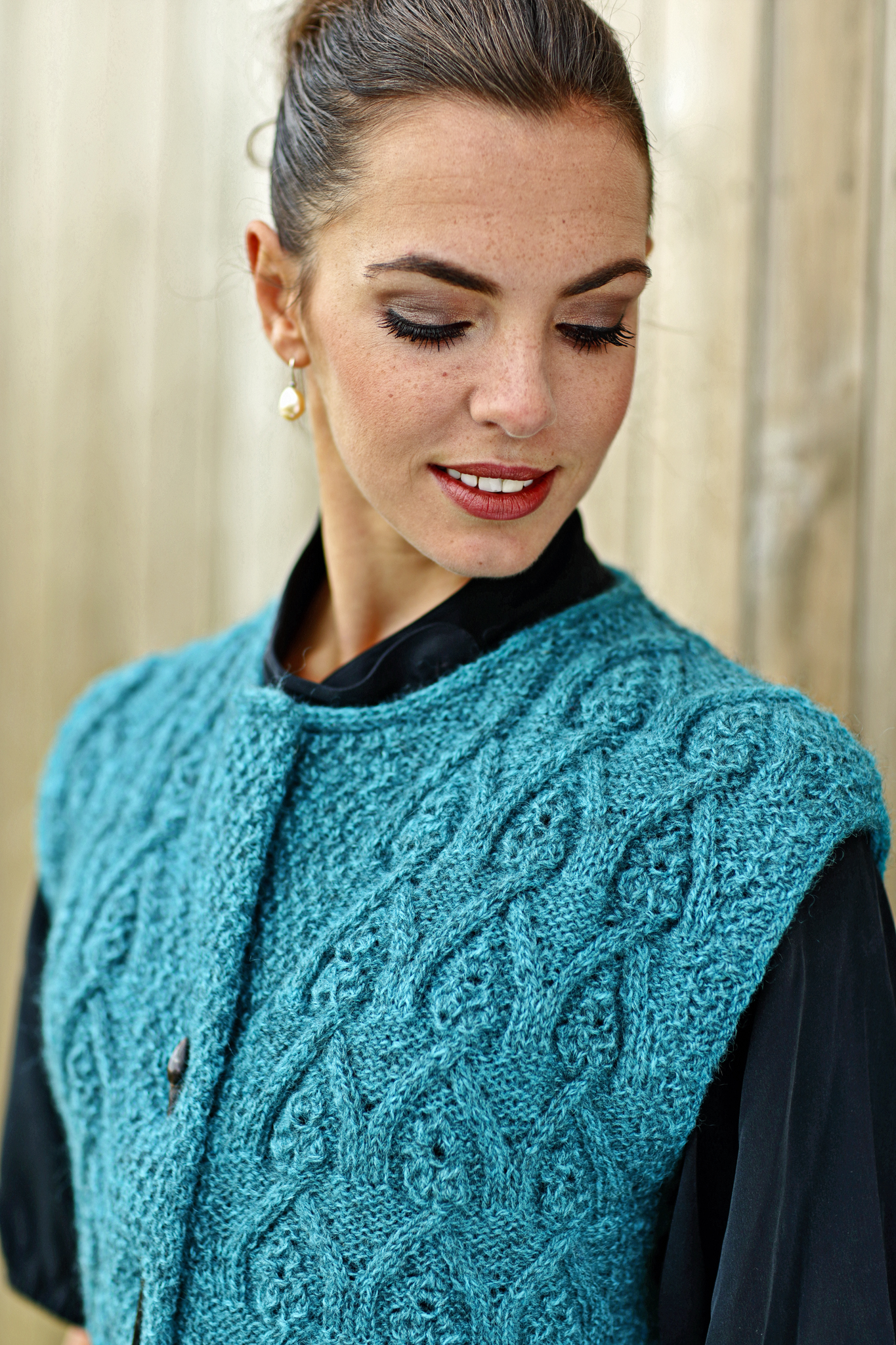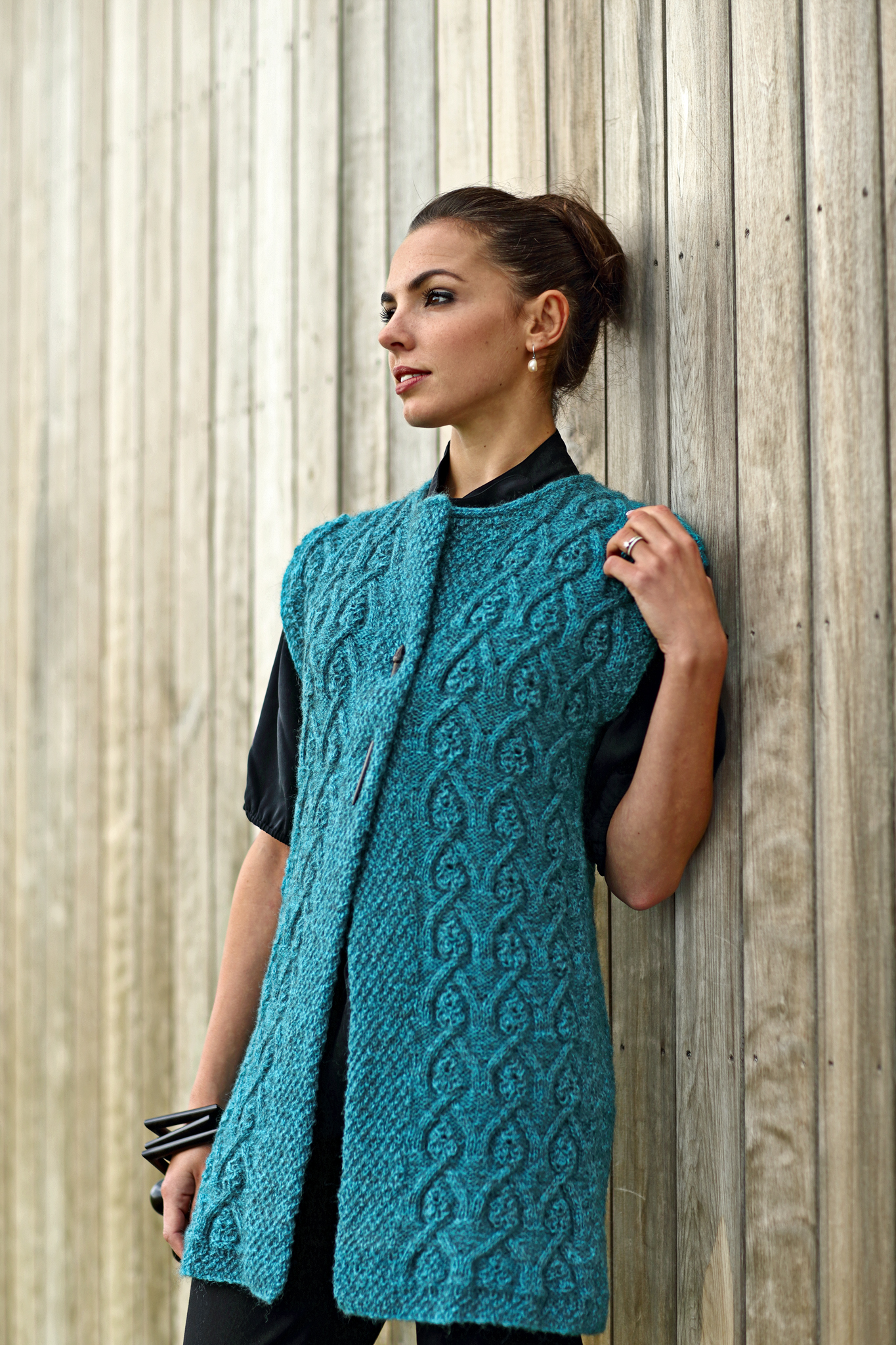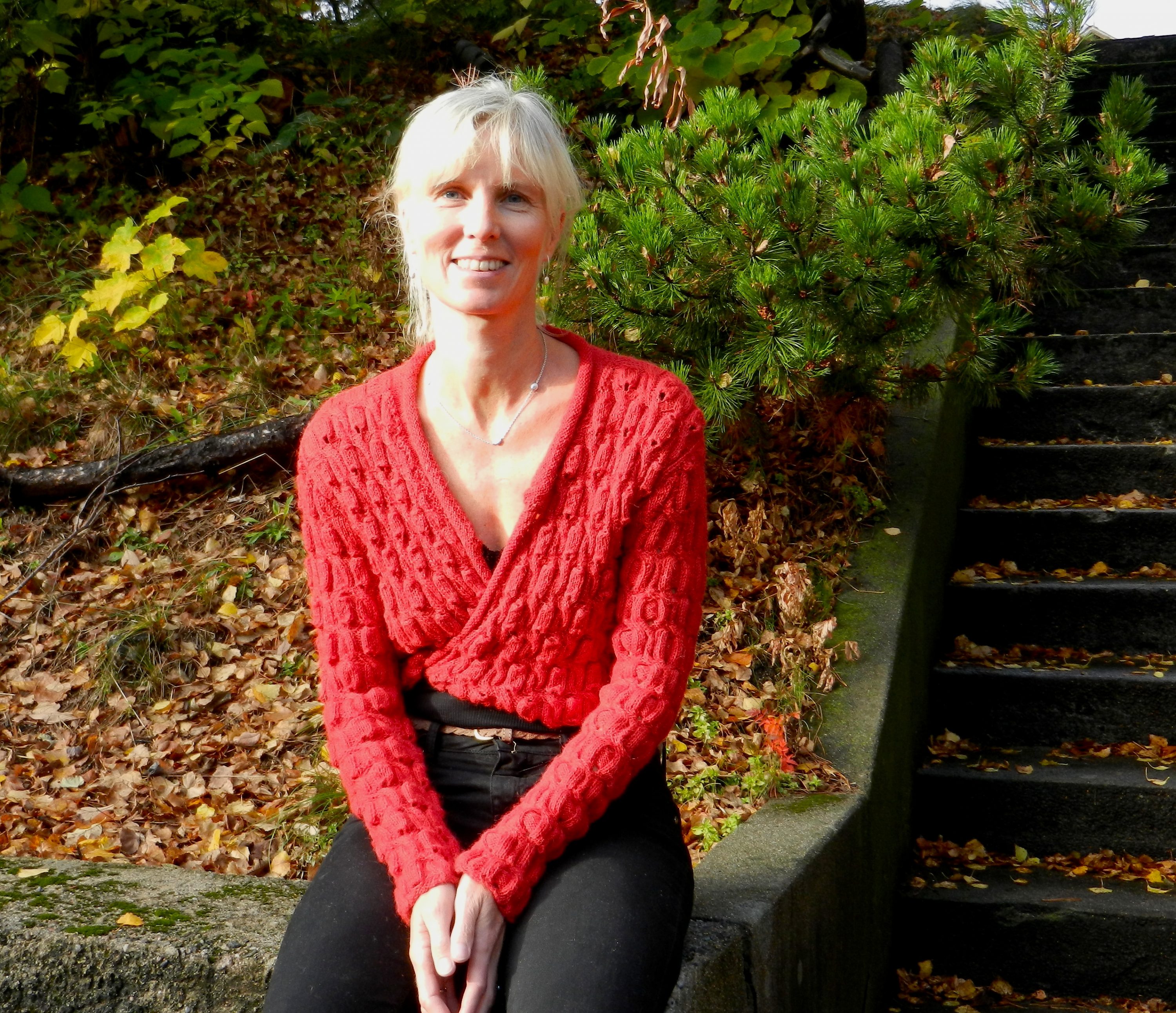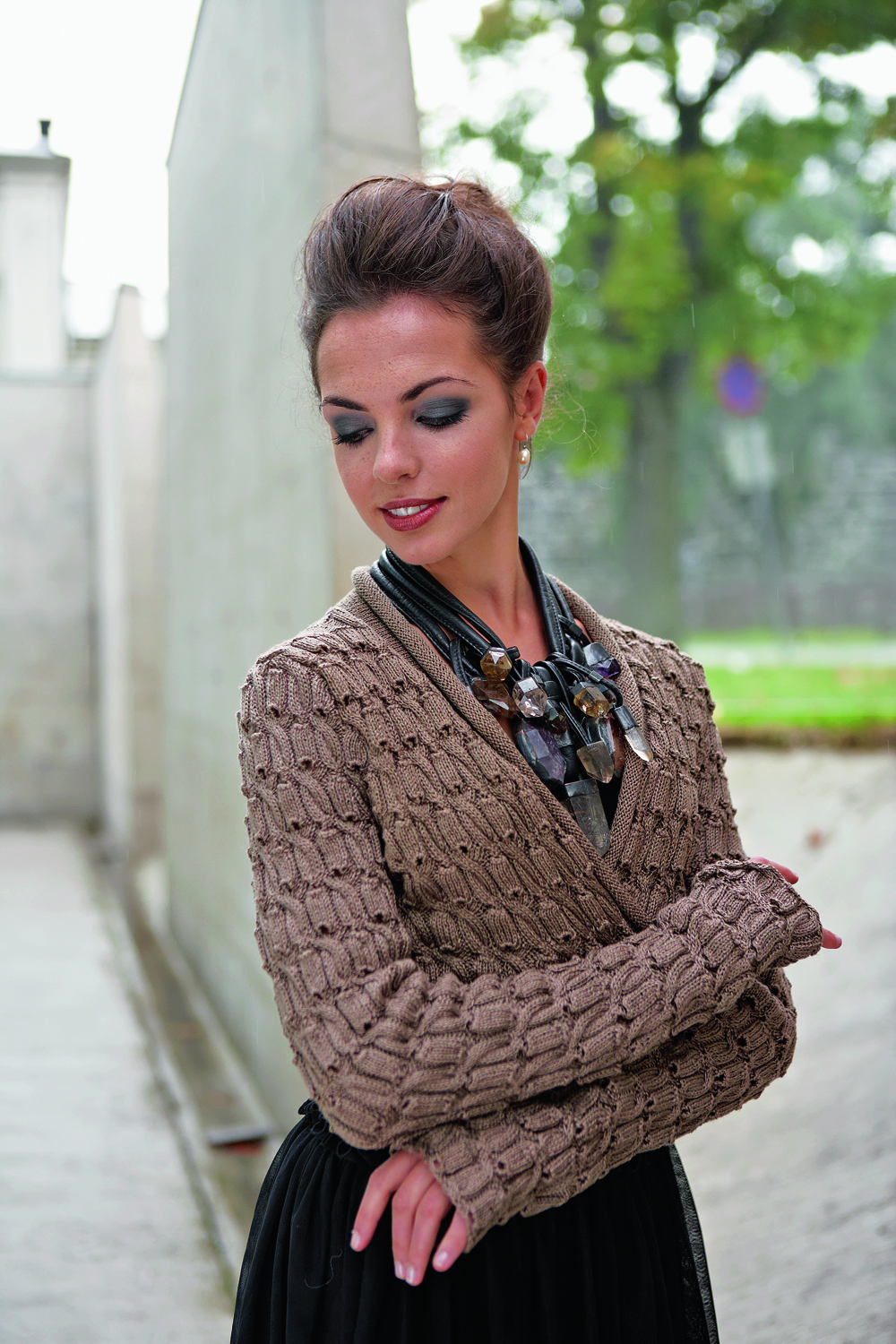
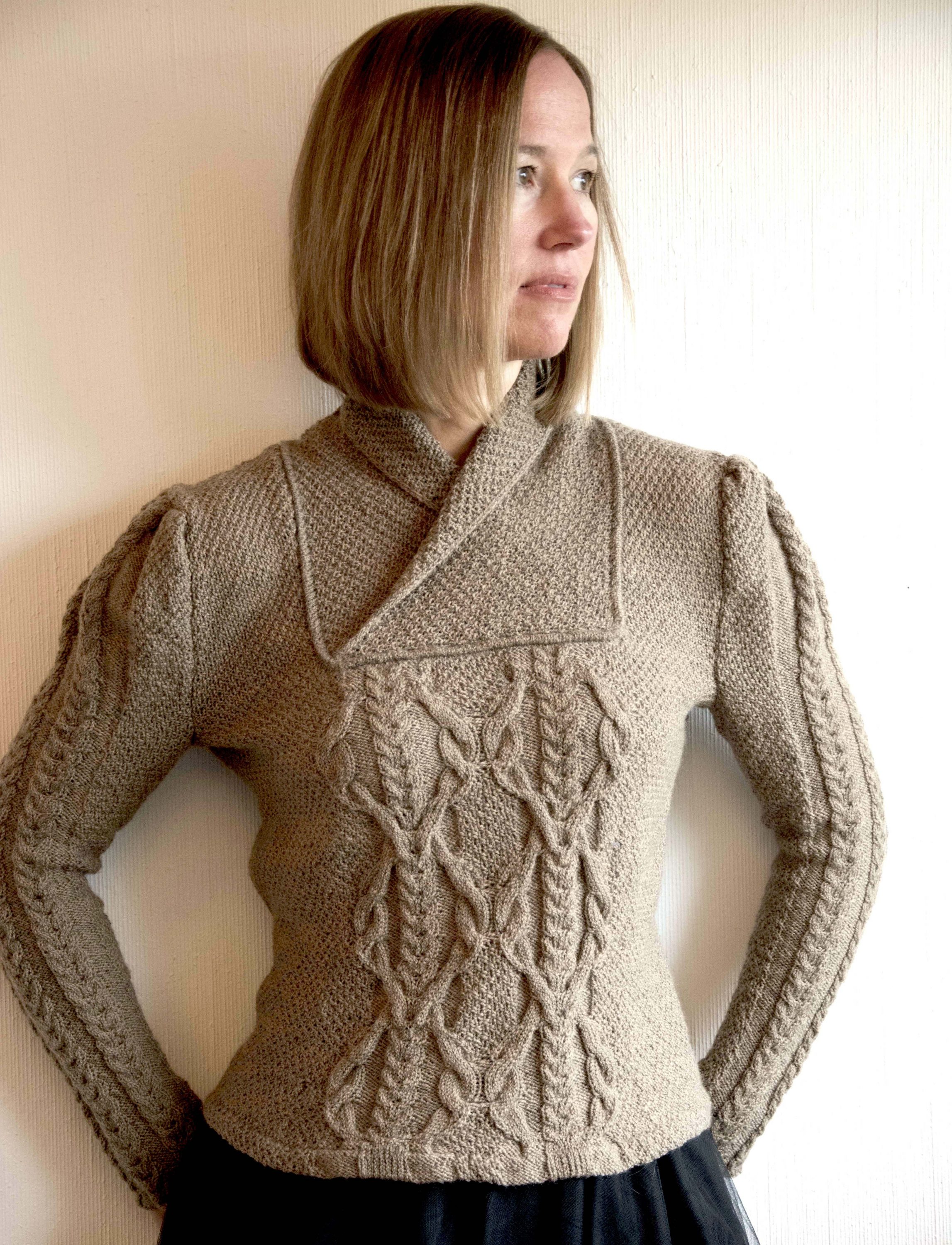
Last Sunday I had a photo shoot! The first one, I have organized since doing it for my book. I did not need to look for a photographer nor model since I knew exactly who I wanted: Professional Photographer Kim Müller and Dancer from the Norwegian National Ballet; Francesca Golfetto – see her bio and marvelous performance photos here: Operaen. Kim photographed my book with a magic touch, and Francesca captured my design dreams. Finding a date that suited both, and at the same time allowed me time to finish off two garments, was a lot harder. Sunday 29th of September it was, and my husband volunteered as a photo assistant with the hope of learning some tricks from Kim. We hoped the rain would stay away, and were ever so grateful to wake up to a cloudy but dry day. Seven garments were to be photographed and I had carefully planned what Francesca should wear with each one, including instructing her on make-up and hair. The photo location was Tjuvholmen at the end of Aker Brygge/Wharf in Oslo. We began next to the Astrup Fearnley Museum and ended up on the stairs outside of Bølgen & Moi where we had a well deserved delicious lunch halfway through the shoot. Above you see the stunning Francesca wearing the Regal Purple Jacket, currently being test knitted in my group on Ravelry. I had a brilliant day, thanks to Kim, Francesca and my husband! I cannot wait to see all of Kim’s photos and show you my latest designs!
Great Little Gifts to Knit by Jean Moss – Interview and Giveaway
I am delighted to be part of Jean Moss’ blog tour for the newly published Great Little Gifts to Knit (GLGTK) and was given the chance of previewing the book as well as interviewing her. As if that was not enough, you have the chance to win a copy of her book merely by commenting on this post, and I will draw a winner on Saturday 5th November who will be e-mailed. For those of you who do not know Jean Moss, she is one of Britain’s leading knitwear designers. I know her amazing designs from my Rowan Yarn days, and love her exquisite work. Do check out her blog: More yarn will do the trick: jeanmosshandknits.
What inspires you?
I’m a very visual person, I always have my camera to hand and snap things that delight me all the time. This could be as simple as light playing on water or tracery through the leaves of a tree, lichen on stones, sculpture in the landscape, vegetables in the garden etc – nature provides a constant masterclass in colour, texture and form.
I’ve used all sorts of sources for my collections over the years – music for In The Mood , travel in Sweet Shawlettes, architecture in Sculptured Knits, and ceramics in Knits for all Seasons. The Welcome Toran in GLGTK is inspired by a beautiful one from Rajasthan we’ve had hanging at home for years. We’re surrounded by awesome inspiration every day of our lives – the trick is to make sure your eyes are open to it.
But I also love street fashion and random mundane objects that spark my imagination – like a quirky coffee cup, a sleek piece of technology, junk shop finds and of course, lots and lots of yarn. William Morris says it all in Have nothing in your house that you do not know to be useful, or believe to be beautiful.
Being synesthetic and a musician is helpful too. I have the most common form of synesthesia in that I see all letters as different hues making up the overall colour of every word. Playing the guitar and songwriting is another passion, it can take me somewhere else when I’m struggling with a pattern and I often find when I come back to it the original problem is gone.
My life is a work in progress – I’m still filling my memory with things I love, ready to draw on and use when the right moment comes.
Do you give away knitted gifts yourself? And if so do you use your own patterns?
Yes I do, to both questions. I always knit a few things for family and friends at Christmas, usually scarves, fingerless mittens or hats. Sweet Shawlettes was a wonderful source for my festive knitting last year. One year I did knit necklaces and bracelets using someone else’s pattern. I have to admit I customized it as I went along, but this is a fun part of the creative process – I always encourage knitters to play with my patterns to create pieces that are unique to them.
You mention lightbulb moments in your book, when you talk about the Fiesta Fingerless Gloves. Do you often have those when you design, and do they lead to unexpected turns at times?
Always. I get completely carried away with the design on my needles at any given moment. It often occurs to me that the concept could probably inspire a whole collection, so I’m always keen to travel as far as I can with it. That’s the reason many of the projects in Gift Knits have two styles, multiple colourways and some even different yarn weights.
Can you recall a very memorable question from your ”Ask Jean” advice column in the UK magazine Knitting?
The most memorable question was Is it OK to knit after sex?
You have so many passions: gardening, music and vegetarian food. As well as hosting knitting and gardening tours to beautiful locations. How do you find enough time to design?
I share the organization of the tours with my partner, Philip, who does much of the day-to-day admin and planning, whilst I do the web work, promotion and teaching. We both enjoy the enviable job of checking out all the lovely places we stay in and visit. The tours are a fabulous way of connecting with kindred spirits and we have a wonderful time with a good mix of returners and newcomers, so each tour feels something like an extended house party.
I always have a knitted project on the go, but as far as commercial designing is concerned, I have to have a book, commissions or a specific project in mind. I enjoy variety and it keeps me fresh to do different things in between. So when I’ve had a long stint of pattern-writing, say, for a book, it’s good to have some time off when I can just knit for myself, play my guitar, write some songs, play in the kitchen or plan some new feature for our garden in Wales.
Can you reveal any design tips or techniques or methods from your time at Polo Ralph Lauren, Laura Ashley, and Benetton that has been elementary for your further designs?
Not really design tips, but it’s very important that you believe in yourself. At the start of my career I learnt on the job, my mantra was yes I can do it, then found a way of doing it later. Working with Ralph Lauren was an exciting but exacting time when sometimes I’d be writing three patterns in a day. Samples would be couriered back and forth over the Atlantic almost daily and any amendments had to be made and samples reknit constantly. I learnt the hard lesson that meeting production deadlines was paramount. If you miss them, the order is cancelled. Working with Laura Ashley and Benetton was different. Laura Ashley was my intro into UK volume production, when most of the factories were happy to poodle along making argyle socks. I remember receiving my first order for 25,000 garments in a season and having to go out and try to source them. No pressure! With Benetton I was employed in a purely design capacity – I have great memories of trips to the factory in Italy and staying in Venice. What a perk!
This is your 11th book, is the next one already in the planning or what is next on your knitting agenda?
I’m constantly wearing my designer hat, although my output has been seriously curtailed since I broke my wrist a couple of months ago, teaching my grand-daughters how (not) to ride a unicycle! As it’s my right wrist, even now the cast is off I still can’t write, knit or play guitar for long, so life has been very boring and frustrating recently. I’ve decided to use the enforced sabbatical as cooking time for future projects and already have a list of ideas I’d like to pursue.
My first ever KAL was a lot of fun so I’ve been trying to organize another one. I’d like it to be the Welcome Toran, as it’s such a joyous piece and knitters can customize it to suit their style, skill sets and lives. As well as the KAL, what I’d really like is to co-ordinate an installation, where knitters contribute to one massive Toran, which could eventually be festooned across a major bridge or urban gateway (Bootham Bar or Scarborough Bridge in York would be perfect), which in the true spirit of the original Hindu and Buddhist doorhangings, would bless all who go beneath it with an abundance of love, prosperity, health and happiness.
Thank you Jean, for answering all my questions with so much consideration! All the cute and beautiful projects in the book can be viewed here: GLGTK-project-gallery. I love the Fiesta Shrug and the matching Fingerless Gloves, while the Welcome Touran puts a smile on my face with its happy colours. You will find the book at Amazon.com and Amazon.co.uk and in Norway from: Tanum. I recommend you study her complete collection of books, marvel, get inspired and enjoy!
The winner of the draw, picked by Random.org, is Pauline Hornsby who I will contact for her mailing address. Thank you to all who participated.
Made By Me Magazine App Launched
The Norwegian Knitting, Crocheting, Sewing and Hobby Magazine, created in collaboration with designer Tine Solheim, is now available as an App in English. Yes, I do know it well not because I have designed for it, but because I have translated it from Norwegian to English. Here is a presentation of it:
“Made By Me (MbyM) bursts with hundreds of “mega-cool” ideas and patterns designed to ignite your creative spirit. For those who have a passion for runway fashion, fibers, fine furnishings, or fabrics, buttons and beads; for those of you who are driven to express yourself by creating something by hand, something uniquely you, MbyM feeds your need with elegantly photographed, hand-crafted projects you can make yourself.
Inspired by high fashion designers, the knitted jackets, sweaters, scarves and more step from the catwalk onto your tablet. The latest trends in knitwear for children through adults, from cute to glamorous, pour from the screen. MbyM sparks your imagination with the vibrant color and texture of the finest yarns, ribbons and trims, stitched into garments to wear or cozies, cushions, blankets and bolsters for your home. Lace and sequins, velvet and gold, are crafted into the trendiest jewelry and accessories. World acclaimed designers share their insights and artistic visions.
MbyM stirs you to discover yourself and your creativity. Each edition is accompanied by printable patterns and information for sourcing materials. Visit our MbyM Facebook page and website for additional support. (mbymmagazine.com)
Newly translated for the US, MbyM is the epub of MadebyMe, the popular Norwegian creative publication launched in 2011.”
Available for iPad here: itunes or for PC here: zinio. On the blog, mbymmagazine, you can read what Sherry Mulne of Yarns And How says: “Made by Me a hit on Maker Faire. People were saying Made by Me is like Vogue Knitting (a fabulous magazine) on steroids. Good analogy.”
Cablewing Accessories Pattern Released
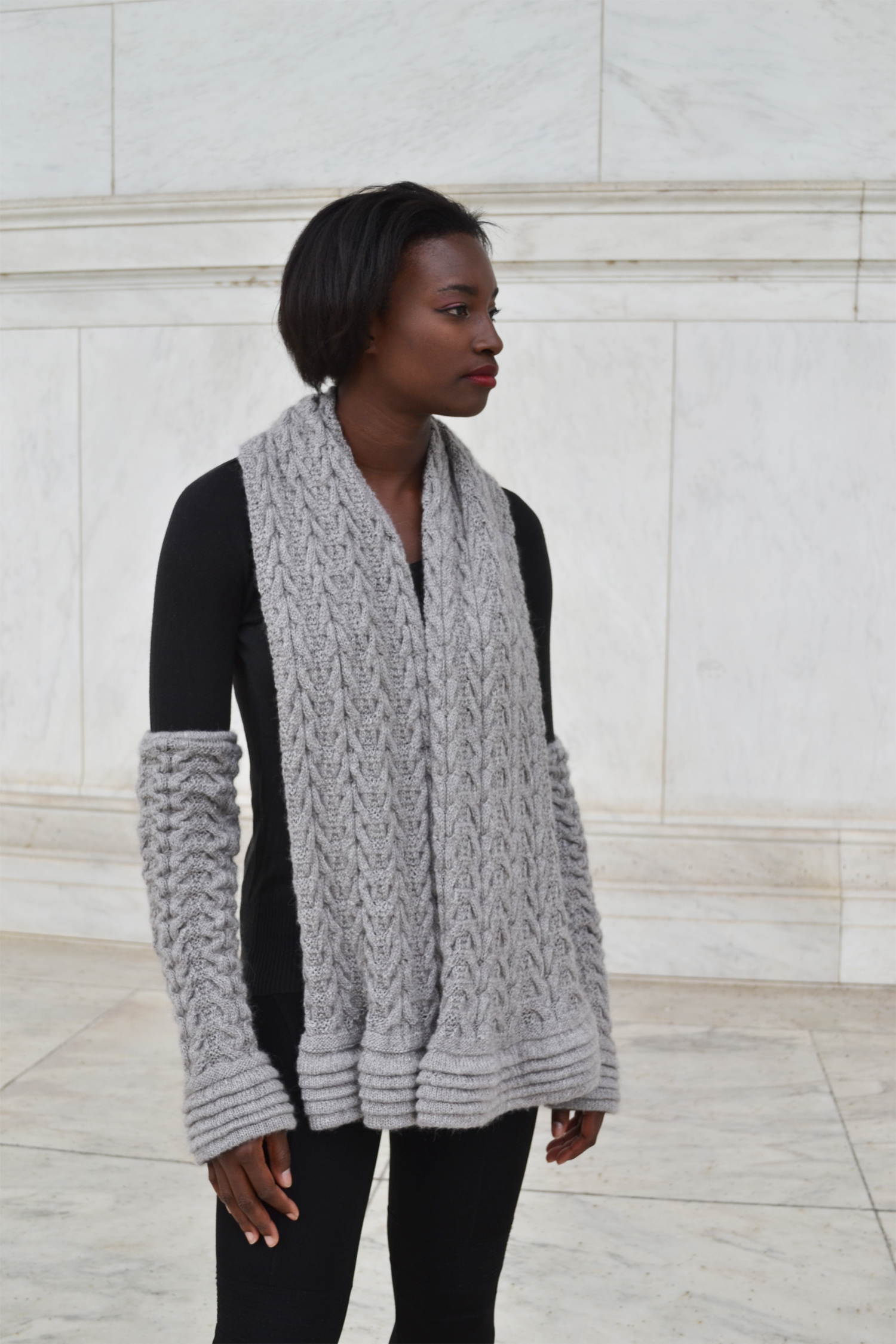
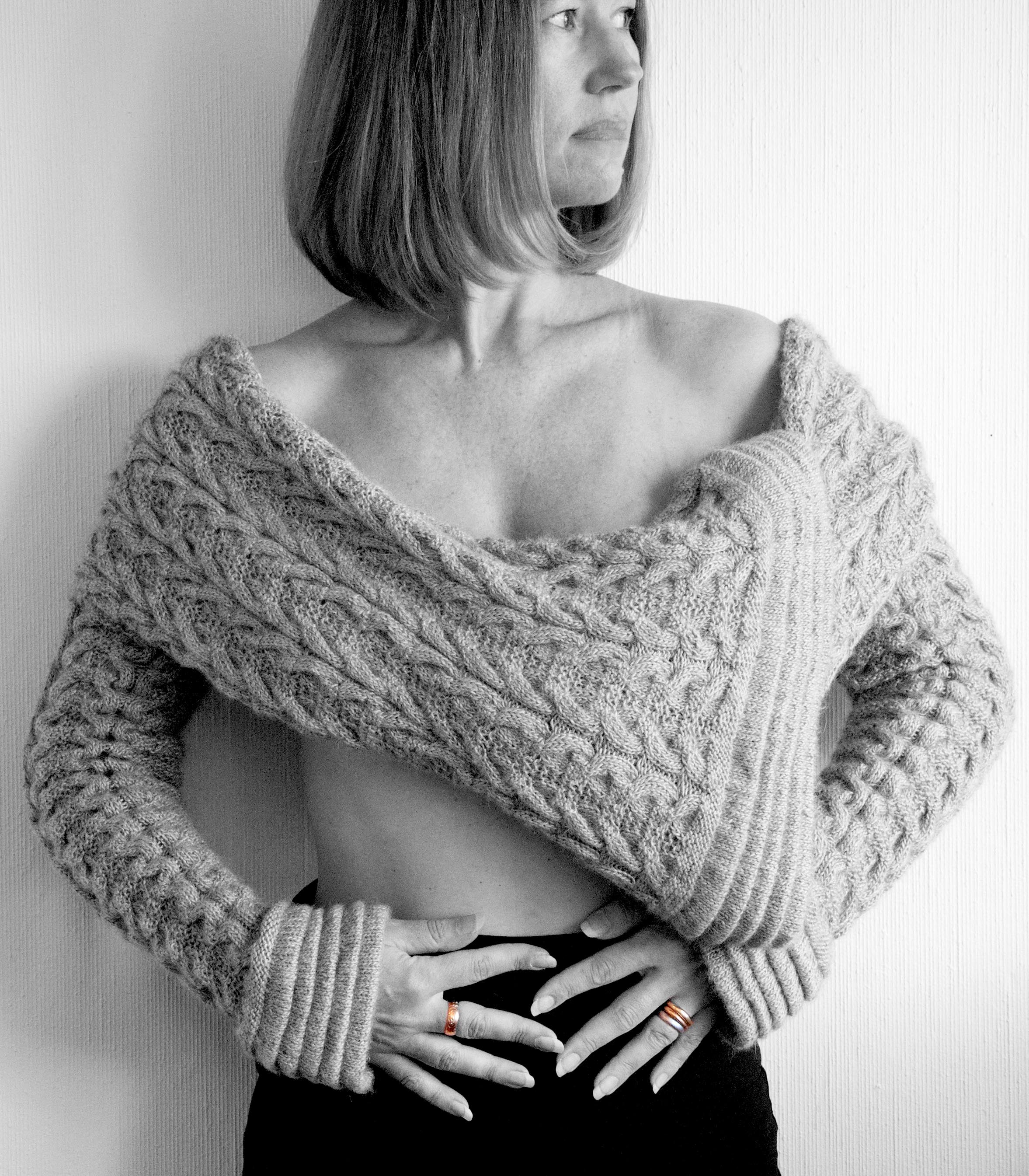
Cablewing Wrap, Cowl and Wristwarmers. Cablewings surrounded by lace give these accessories a flowery expression. They coordinate with the Cablewing Sweater; for a wonderfully regal look pair the wrap with the sweater. It is warm, practical but also decorative. All accessories are knitted in a pure wool with bounce, Embla from Hifa. I chose an irresistible purple-pink shade, well suited for the stitch pattern, for the cowl and the wristwarmers.
Size: One women’s size
Finished Measurements: Wrap: Circumference: 100 cm/39.5”, height: 44 cm/17.25” Cowl: Circumference: 77 cm/30.25”, height: 30 cm/11.75” Wristwarmers: Circumference: 24 cm/9.5”, height: 30 cm/11.75” Tweed Cowl: Circumference: 48 cm/19”, height: 48 cm/19”
Yarn: Hifa, Embla – Hifa 3 (100% wool, 210 m/229 yds, 100 g) Ull: Wrap: 3 skeins in col A: Natural sh 6057: 567 m/620 yds. Cowl: 2 skeins in col B: Purple pink sh 6044: 294 m/322 yds. Wristwarmers: 1 skein in col B: purple pink sh 6044: 168 m/184 yds. Tweed Cowl: 1 skein in col A: Natural sh 6057: 65 m/71 yds, 1 skein in col B: Purple pink sh 6044: 65 m/71 yds, 1 skein in col C: Red purple sh 6076: 85 m/93 yds.
Yarn alternative: Cascade, 220 (100% Peruvian Highland Wool; 100 g, 201 m/220 yds). Cascade Yarns.
Needles: 4 mm/US 6 circular needles (80 cm/32” for shrug) and (60 cm/24” for cowl and tweed cowl or use straight needles) and dpns for wristwarmers (or use 80 cm/32” for magic loop), or size needed to match gauge.
Notions: Cable needle, stitch marker, and yarn needle.
Gauge: 22 sts and 28 rows in Cablewing Pattern, 20 sts and 25 rows in st st, 20 sts and 38 rows in Tweed Pattern using 4 mm/US 6 needles equals 10 cm/4” square.
Notes: All are worked in the round, except the Tweed Cowl. Both wristwarmers can be worked simultaneously on a magic loop.
The pattern is only available in English from my Ravlery Store and includes charts and schematics, plus video links to techniques used. Here is the link to the pattern: Ravelry.com/patterns. I am thrilled to see photos of finished cowls appearing already, and on the design page you will find Anja Helene Præsttun Smith’s beautiful version!
Japanese Patterns Workshop Report
My Japanese Patterns workshop was a success, and I enjoyed every minute just as everyone else present. To my delight Nina Hove Myhre, the study leader from Larvik Husflidslag was wearing my design; the Summer Leaves Sweater which she recently test knitted, and Inger Kamfjord Andersen was wearing her first – yes, she is already making her second in purple – Morbærsilkejakke/Mulberry Silk Jacket from my book. As if that was not enough, Kari-Mette Rolsø had brought yarn and started knitting my Milanese Lace Shawl/Milanesisk-Blondesjal while Karianne Karlsen was working on the swatch for my Regal Purple Jacket. So with my head in the clouds, we began our workshop at the marvelous premises next to Larvik Museum. Japanese patters are extremely detailed when it comes to numbers stated in the schematic, we all agreed and found them easier to understand than ordinary written patterns. You can have a look, at all the Japanese books & magazines, and also find the excellent free pdf “Interpreting Japanese Knitting Patterns” here: needleartsknitting. It is definitely an advantage to see inside the books before you buy them so do take a look at the acknowledged Japanese publisher here: nihonvogue. And of course there is a link directly to YesAsia, where I have bought most of my selection…
I had selected a number of my favourite swatches from the stitch dictionaries, which they had a go at, after we had studied how the Japanese write their knitting patterns. Nina had brought her selection of Japanese books as well, so we spent quite a bit of time studying them all. We agreed that the stitch patterns, as well as garments, are exquisite and mind blowing at times! I had a wonderful day in such great company!
Pickles’ New Shop in Oslo
I have finally managed to visit the new Pickles’ new yarn shop at Grünerløkka in Oslo. It is bright, airy and tidy unlike their previous shop but that was their in their warehouse, so no wonder really. Pickles is the designers Heidi Grønvold and Anna Enge, who set up in 2009. The shop is not huge, but their website and sales are, due to several reasons I believe: A popular blog with easy and fun patterns, in Norwegian and English, with little finishing and beautifully photographed. They offer one of the pattern sizes for free while you buy and download the pattern for any other size. A huge selection of yarn at reasonable prices; the brand Abuelita from Paraguay in addition to their own brand. The shop was buzy on a Friday afternoon, during my visit, but I did notice that they had iPads for loan and comfy chairs so you could easily check out your pattern at Pickles.no. Very impressive, I thought! Here are more photos from the shop and a blog post on the opening: hurra-hooray.
A popular new pattern, at least according to the Norwegian Facebook group Strikkesida is Garland Sweater-poncho,where size L/XL is available for free, see: garland-sweater-poncho. In addition they also offer kits with pdf pattern and yarn, knitting equipment and buttons. I was attracted to Pickles Merino Tweed, see bottom shelf in the photo above or more here: pickles-merino-tweed. The bottom shelf in the shop had Pickles Extra Fine Merino, just to let you know what is outside the photo. So, well worth a visit when in Oslo!
Patent Poncho Pattern Released
Inspired by all the Fisherman’s rib patterns in fashion, I have designed a poncho in an oversized sweater style with longs splits in the side. The poncho is knitted in parts to create a contrast between the unstructured cable and the linear rib, called patent in Norwegian. The large splits on the sides make the poncho less voluminous. The sleeves are knitted long, to keep you warm on cold days. The poncho is knitted in a beautiful camelbrown Ask – Hifa 2, a pure wool with plenty of bounce.
Size: One size
Finished Measurements: Bust: 150 cm/59” Length: 67 cm/261⁄4” Sleeve length: 44 cm/171⁄4”
Yarn: Hifa: Ask – Hifa 2: 6 skeins of Camelbrown sh 6098: 1890 m/2067 yds (100% fine wool, 315 m/ 344yds, 100 g). Ask-Hifa-2 also available from Strickideen.
Yarn alternative: Cascade, 220 Sport (100% Peruvian wool, 150 m/164 yds, 50 g). Cascade-220 Sport or a similar Sport/5 ply yarn.
Needles: 3 mm/US 2.5 circular needles (100 cm/40”) and 3 mm/US 2.5 (60 cm/24”) for collar or size needed to match gauge .
Notions: Cable needle, 1 Stitch marker, 6 Stitch holders, and Yarn needle.
Gauge: 16 sts and 20 rows in Fisherman’s rib, 24 sts and 32 rows in st st equals 10 cm/4” square.
Notes: The poncho is knitted in 4 identical Fisherman’s Rib Side Panels and 2 Center Panels where the front is one pattern repeat shorter than the back. The sleeve is an extended Center Panel with 3 cables instead of 2. The length, including sleeve length, can easily be adjusted by knitting the panels/sleeves longer or shorter.
The pattern contains chart, schematic and video links to techniques used. Here is the link to the English pattern available to buy, then download from Ravelry: ravelry.com/patterns/library/patent-poncho.
Workshop Schedule
The summer has finally ended, and the autumn workshop schedule has began for me. I am currently adding the final touches to a new workshop, I have called “Japanske Mønstre”/Japanese Patterns. How do you interpret those schematic drawings with sets of numbers on the sides? Is it possible to knit from a schematic pattern without understanding Japanese? It is obviously not a disadvantage if you do speak it, but it is not essential. I will go through examples step-by-step, and we will spend time knitting swatches from Japanese stitch manuals which are a huge source of inspiration for designers, myself included. We will discuss their never-ending appeal and useful websites like this one: tata-tatao.
My most popular workshop is the combined “Fargestrikk og Montering”/Fairisle and Finishing held during a weekend, where I cover how to knit colour-work with yarn in both hands, steeking, different ways of sewing up as well as essential tips, and how to love finishing. You will find some of the lessons in video form here with Norwegian sound: professional-finishing-course-online. I am also holding a weekend “Hullstrikk”/Lace workshop this autumn, where you learn how to read lace, identify pairs & spine, add a lifeline, and practice knitting from charts. It has taken awhile to adjust to doing this workshops in Norwegian instead of English, but I have discovered it is only an advantage that I know all the terms in English as well as Norwegian. I am seeing several of you this autumn, I am looking forward to it! Here is the schedule, in Norwegian with links:
Japanske Mønstre, lørdag 14. september, kl 10 til 18, hos Larvik Husflidslag. Kurskatalogen-Larvik-høsten-2013
Fargestrikk og Montering, lørdag og søndag 19. og 20. oktober, kl 10 til 16, hos Stokke Husflidslag. Stokke_husflidslag/lokale_kurs
Fargestrikk og Montering, lørdag og søndag 26. og 27. oktober, kl 10 til 16, hos Larvik Husflidslag. Kurskatalogen-Larvik-høsten-2013
Hullstrikk, lørdag og søndag 9. og 10. november, kl 10 til 16, hos Oslo Fylkeshusflidslag, Vestre Aker Husflidslag. Kurset er flyttet til fra september til november. Oslo_fylkeshusflidslag/lokale_kurs
New design: Lace Ridge Top & Cowl
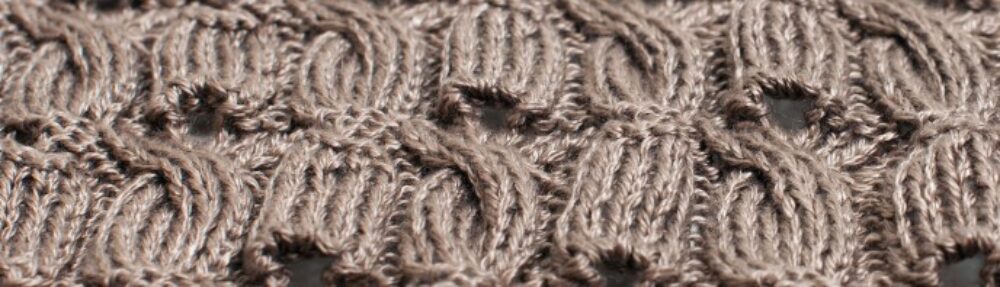
I have finished my summer top, far behind my own deadline as usual. A casual, stretchy long sleeveless top in an open lace ridge pattern, with a boat neck and a high twisted rib to be worn on your hips. The top is easy to knit in the round and worked in a divine mercerized cotton from Hifa, called Perle/Pearl, see ull, which is held double to emphasize the structure of the lace pattern. The cable cowl, also worked in the round, accentuates the design and gives the top a more dressed look. The pattern will be published in Norwegian in the magazine Familien, next summer while the English pattern will be published on Ravelry.
Both the top and the cowl is knitted using a 4 mm/US 6 needles. The lace pattern is only a 2 row pattern repeat and quick to knit. If you recognize the cable from another of my designs, you are right. Some stitch patterns stick and I feel as if I have not finished using it yet. This cable I loved even after using it on the Patent Poncho, see professionally-photographed-patent-poncho. There is no neckband nor armhole bands, and the only shaping is after the twisted rib. The only sewing is the grafting of the ends on the cowl together. I also like to wear the cowl twice around my neck. Professional photos will follow.
Here is my first post on the project and a photo of the swatch: heather-lace-ridge.
Crafts Market
Last Friday, I went to the Crafts Market in Oslo. There were ads in the national newspaper stating the 3 days, opening times and location. But I had already received first hand information here on my blog, from the two designers; Rita Nylander and Anne Grut Sørum behind the brand Duodu, whose book I reviewed and love! Here is my post, if you missed it: duodu. I could not miss the opportunity to meet the talented duo from Trondheim – they were lovely – and see more of their collection close up. Obviously, it did not disappoint, and received a lot of attention from visitors to the market.
The yearly market, established in 1970, represents designers and artists who work with Glass, Ceramics, Metal and Textiles. For a full list of deltagere/participants and more photos, see here: kunsthandverksmarkedet. The number of participants has increased from 20 to 100, in addition to the permanent studios at the back which you can visit. The central and historic location, behind Oslo Cathedral, in an area called the Bazaar Halls built in the years 1841-58 by famous Norwegian architect Grosch has contributed to the growth. Out of view are the restaurant and cafes inside the Bazaar Halls, do look at these photos: visit Oslo.
The weather was perfect as you can see, and a lot of people came to see, admire, talk to the artists themselves and to buy. I, on the other hand, only had a brief look after meeting Duodu, because I was delighted to have the chance to meet Sandra, one of my Ravelry friends, who flies for a living at the Radisson Blu Airport Hotel at Oslo Gardermoen. Meeting a fellow knitter, especially one with the same design and project preferences, is always a treat! I had a marvelous lunch there, thank you Sandra!