Rosewood Knitting Needles

I have become increasingly fond of my Destiny solid rosewood needles made by Lantern Moon, from certified sustainable forests. So much so that I recently ordered some more from jimmybeanswool and have been lucky enough to have some delivered by hand from New York, by a friend. Unlike bamboo, rosewood needles adorn my hands, feels more polished and firmer in addition the stitches slide better on them. They are also a lot sturdier than bamboo which might easily snap or the tip split in the smaller sizes. I prefer using rosewood needles to my Nr 1. Signature needles when I am working with silk and other slippery fibers as well as with complicated lace pattern when I need to knit more concentrated (read: slower).
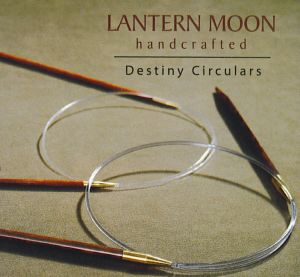
The needles are made in Vietnam in a factory run by the family father Thuan. His amazing story and destiny has given name to the knitting needles he makes. “As Thuan reflects back on that time he recalls, “Each time we tried to leave we had less and less for the pirates and the police to steal, but things were also getting a little better in the country so I thought there must be something we are supposed to be doing here.” And, according to Thuan, that something turned out to be the needle factory.

“After 1975 it seems like I spent all my waking hours trying to keep the family together and get out of the country so that I could take care of them but for some reason it never worked. I never understood why until the opportunity to make the needles came along. Now it is what we do. It is why we are here. It is how we stay together. It is how I take care of my family and it was our destiny.”

Is it important to know who makes your needles and to know that they believe in destiny? We think so. Uncle Huyet asked me recently, “I spent two years in prison trying to gain my freedom. If my attempts to get out of Vietnam had been successful, who would make your needles?” End of quote, read the full captivating story here: lanternmoon.

Share

Shawl Fever – Viajante by Martina Behm

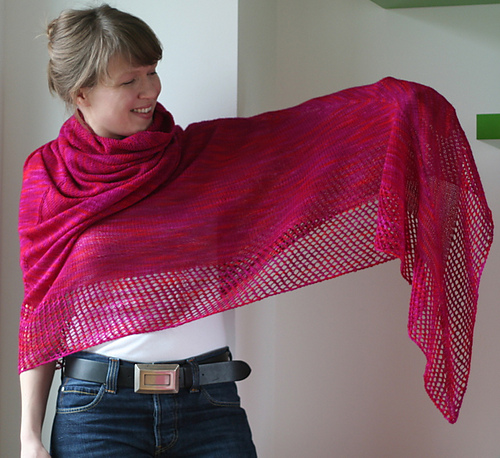
The shawl knitting fashion continues. Not only are beautiful books and useful videos on DVD or downloadable workshops on traditional shawls launched such as “Orenburg Knitting. Knitting Gossamer Webs”, see knittingdaily but also modern takes with newly developed shapes are appearing. I am intrigued by Martina Bhem’s shawl Viajante, see photo below. She explains in her pattern: “How about making one that, instead of just being a flat piece of fabric, is three-dimensional, knit in the round and doubles as a big loop, hood and very big cowl? Well, here it is: Viajante (Portugese for “traveller”) takes your knitting to another dimension!”. The hunt for yarn – yes, not a great surprise really since it is knitted in the divine Wollmeise Lace – can be seen at Ravelry and at Strikkesida/The Knitting page a Norwegian Facebook group just to mention a few. Currently there are 756 Viajante projects listed which are either in progress or finished. And I know of at last one more on the go which I am excited to see when finished – no, it is not mine even though I would love to knit one too! You can see more photos and buy the pattern here at ravelry. Read about wollmeise-one-of-my-favourite-yarns and then join the Wollmeiseholics Anonymous Group on Ravelry.

Photo: Martina Behm

Share

Magic Loop – two sleeves at a time

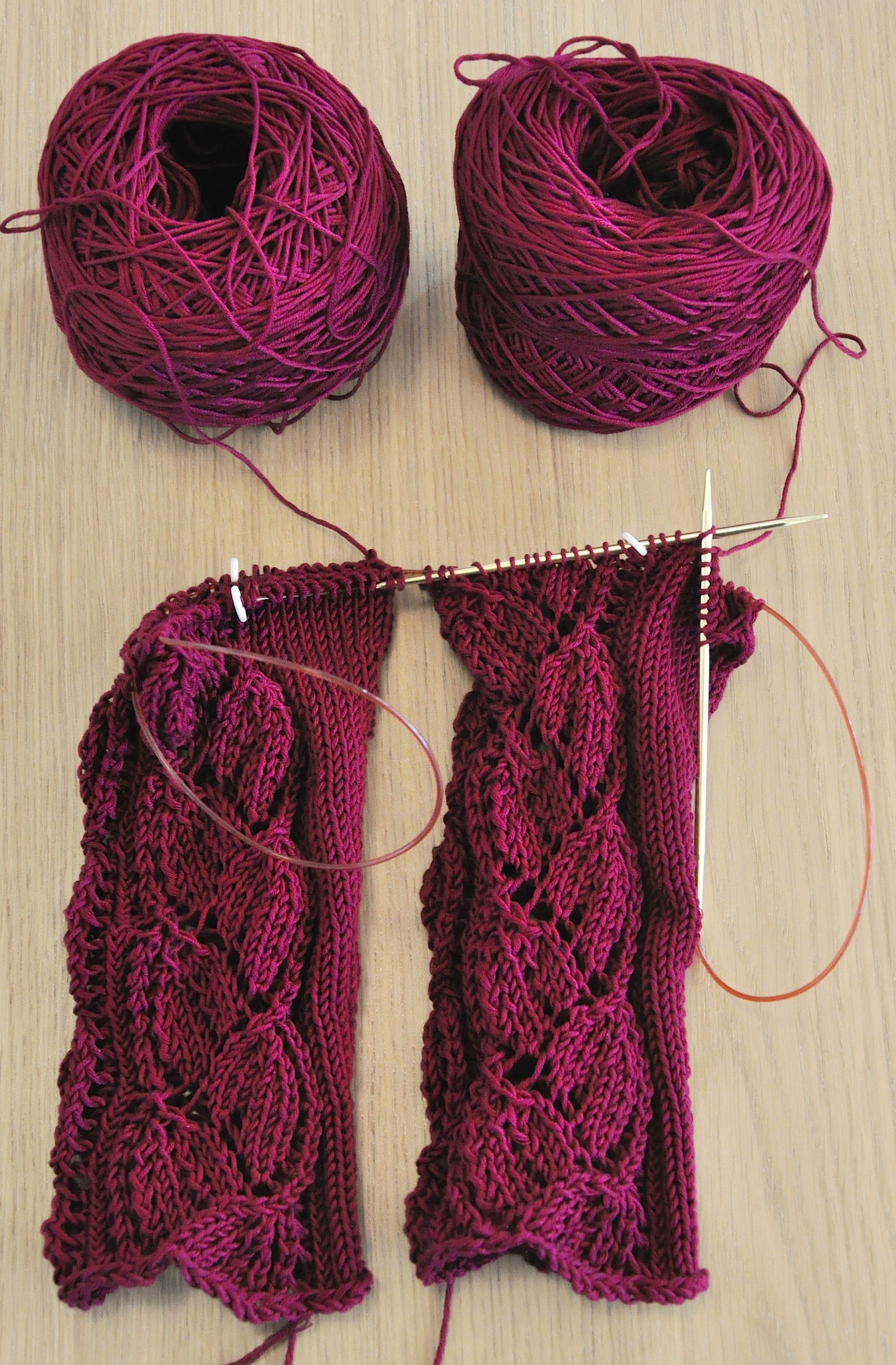
I have finally mastered knitting two sleeves at a time using magic loop. Double pointed needles I can handle but I have never loved it as I love the magic loop. First, I were frustrated by the ladders I accidentally made when using DPNS, second I became fed up of hunting for a lost needle especially on double decker bus without any friendly knitters on board – if there were I did not have to look at all – it would be given back a few seconds later by a fellow knitter who can spot it very quickly indeed! But I digress, I have used the magic loop for years now, and would recommend it warmly. Using a good quality circular needle is essential otherwise you might end up with just a needle tips without a cord or a kink damaged cord (read: I have done both). It needs to be a minimum of 80 cm/32″ long, since you need to pull out a loop at each end, in a figure 8. Now, I have managed to knit two at a time with the aid of Liat Gat’s brilliant YouTube video – she demonstrates knitting both the English way and the Continental way here: Two at at time.

I found it hard to solve the cast on issue on my own and needed a teacher to show me which method of cast on I should use so that the yarn would be in the right position, and the fact that you actually first cast on half the amount of the first sleeve, then the full amount for the second sleeve. Next, you pull out the cord in the middle and join second sleeve then work half of it before casting on remaining stitches for the first sleeve and repeat the join on the first sleeve. I also find it easier to work in a lace pattern across a magic loop, since I only work half a sleeve at a time instead of a quarter of it and hence do not need to move stitches from one needle to the other, when I end on a knit 2 together for instance. So I am knitting my lace sleeves a lot quicker than I thought I would and it is pure bliss!

Share

Pingouin Créateurs – a pattern adventure from 1985

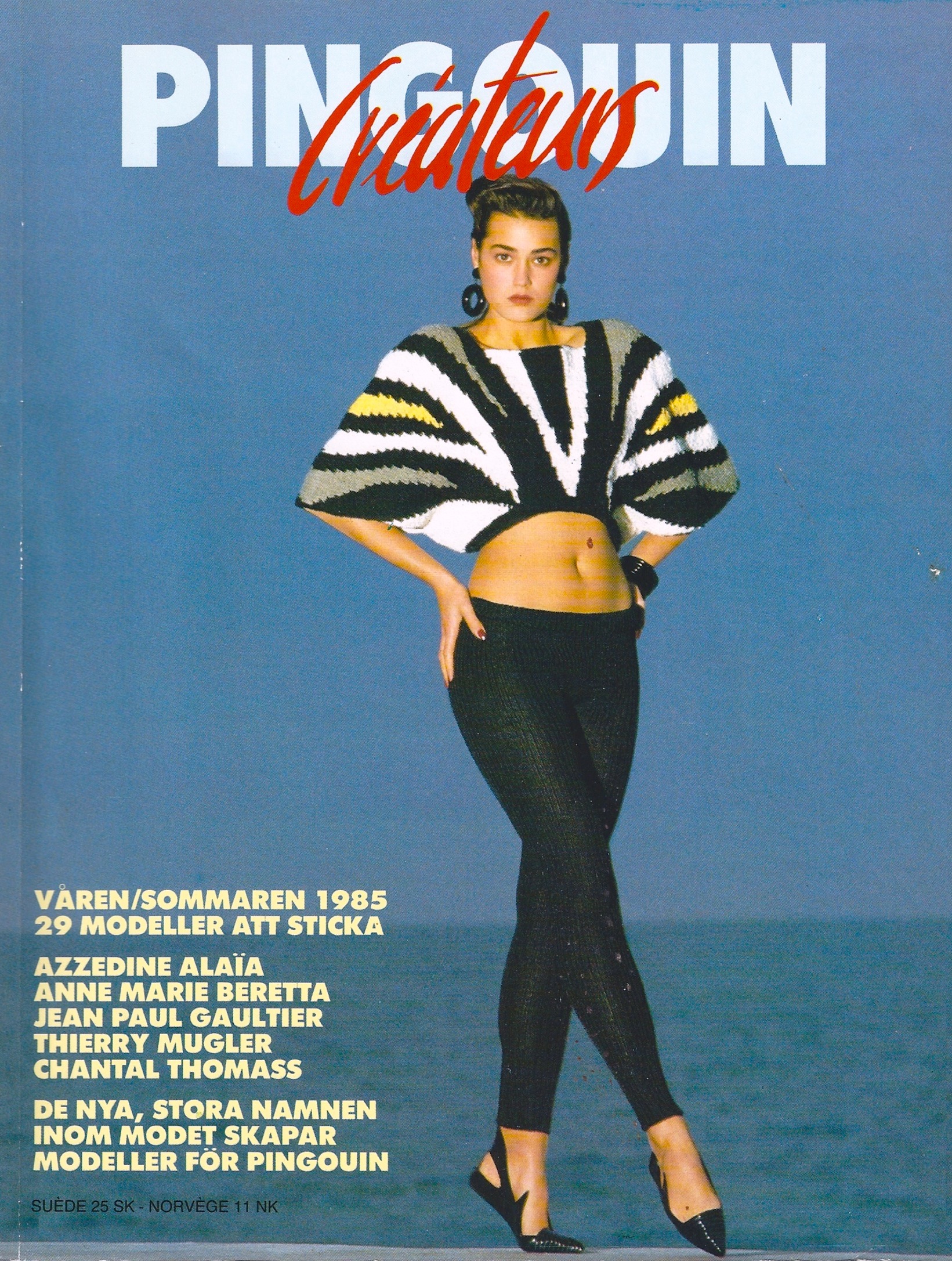
I wish I kept more of my old knitting patterns, but at least I was smart enough not to get rid of this magnificent pattern booklet from a time when the French yarn company Pingouin was huge and influential. What a marvelous idea to ask five of the most acknowledged designers to design a collection where they could experiment freely according to their personal beliefs and intuition of fashion. As Melka Treanton says in her introduction that the idea of letting the creative and the innovative unite hand knitting and fashion became something between play and fireworks. Azzedine Alaïa, the innovative. Anne Marie Beretta, the strict. Jean Paul Gaultier, the inventor. Thierry Mugler, the daring. Chantal Thomass, the feminine. Knitted evening dresses, beachwear, gorgeous jackets in bold colors as divine today as then, even though the styling is at times very much from its time. The professional finish is outstanding!

You can see pictures of all the 29 garments here: album. I still remember my excitement when I found it in, what used to be my local yarn shop which stopped trading just as Pingouin unfortunately did. My version is translated into Swedish, even though most of the other patterns used to be sold in Danish which has more similar knitting terms to Norwegian. If you want to compare for yourself, take a look here: garnstudio. What I do like about the magazine is not only how mind blowing it felt to realise that you can knit amazing, fashionable garments that do not look homemade but also the professional lay out and fashion styling. Each designer has a portrait page and each design has been given plenty of space, unlike the limited space and page numbers each design is given by publishers today. I have been waiting for a new issue ever since…

Share

Design In Progress

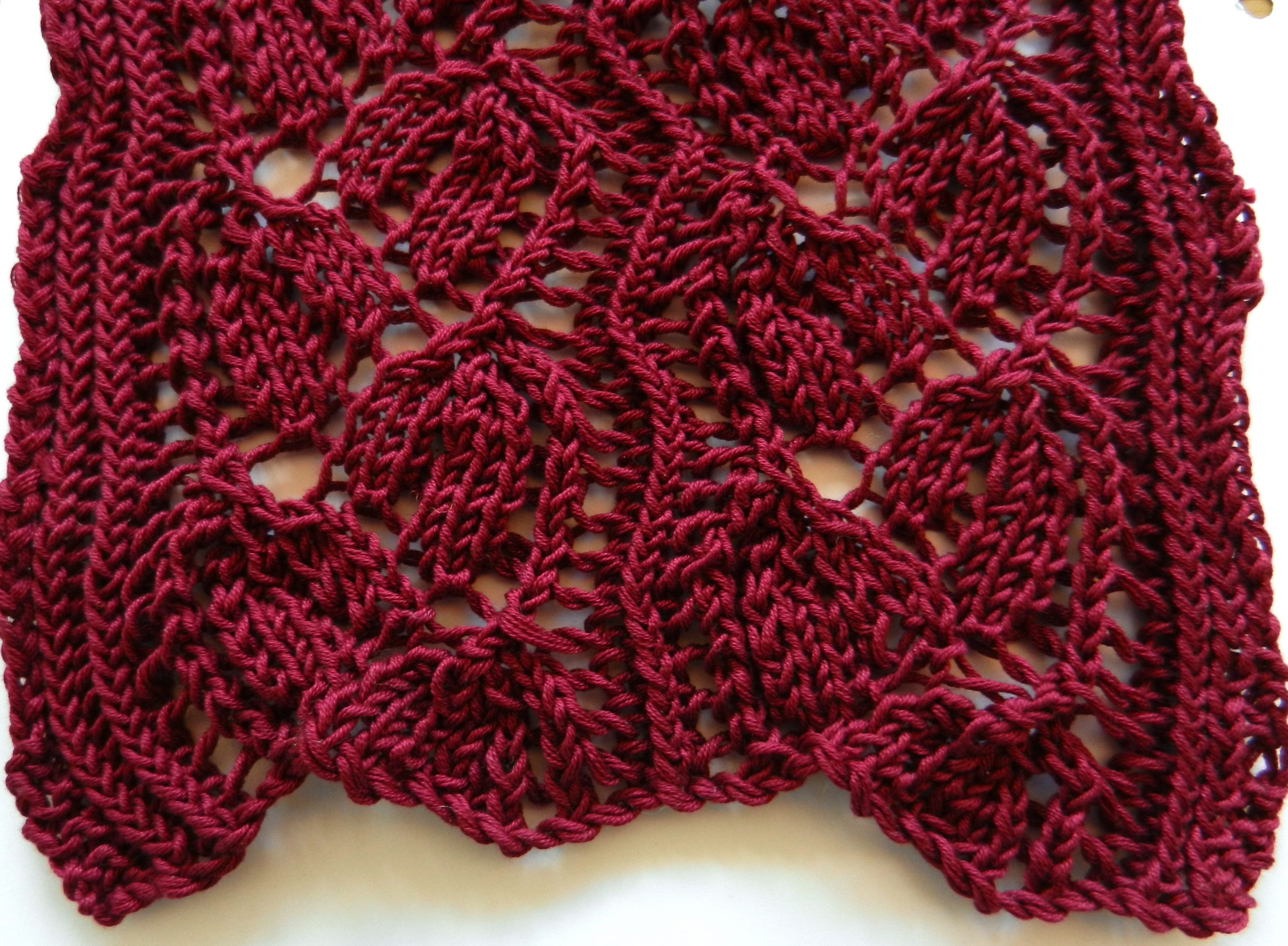
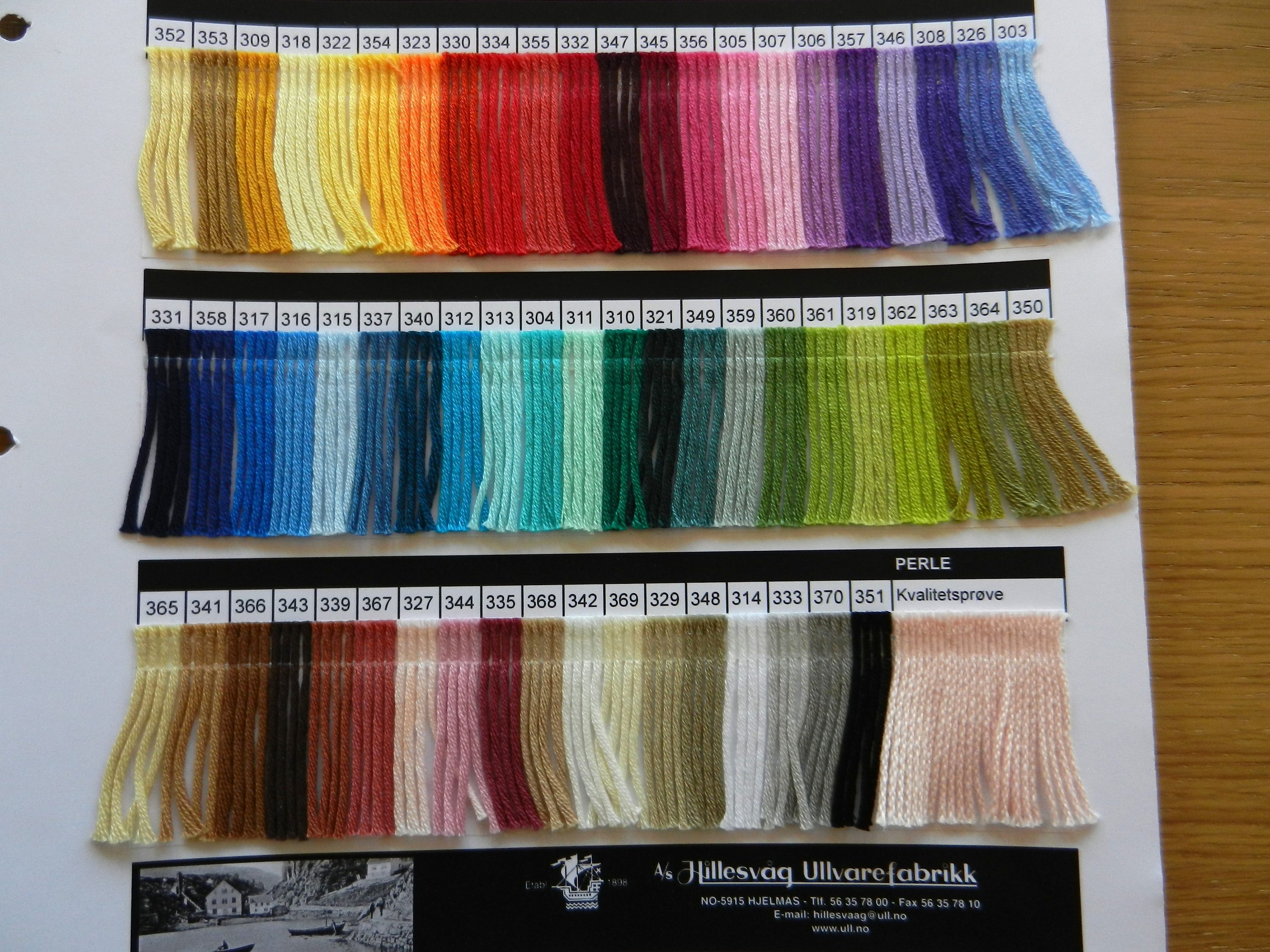
In preparation for spring and summer I have started working in cotton, very optimistic considering the amount of snow and ice still covering the ground here in Oslo, I know. But since I am not a speedy designer; I need time to work and complete a design if I want to be able to have the chance of publishing it during the Spring/Summer season. I am not able to design a garment a week or have it is as a goal (read: totally unrealistic). My designs require time to evolve. What cotton have you chosen, you ask? An Egyptian mercerized cable-spun cotton which can take a 60 degrees centigrade washing machine program, named appropriately Luxor in 62 divine colours – I have chosen wine red and navy blue, not an easy choice, see luxor – made by Hillesvåg Ullvarefabrikk. I love the crisp stitch definition and chose a beautiful lace pattern for the wine red shade.

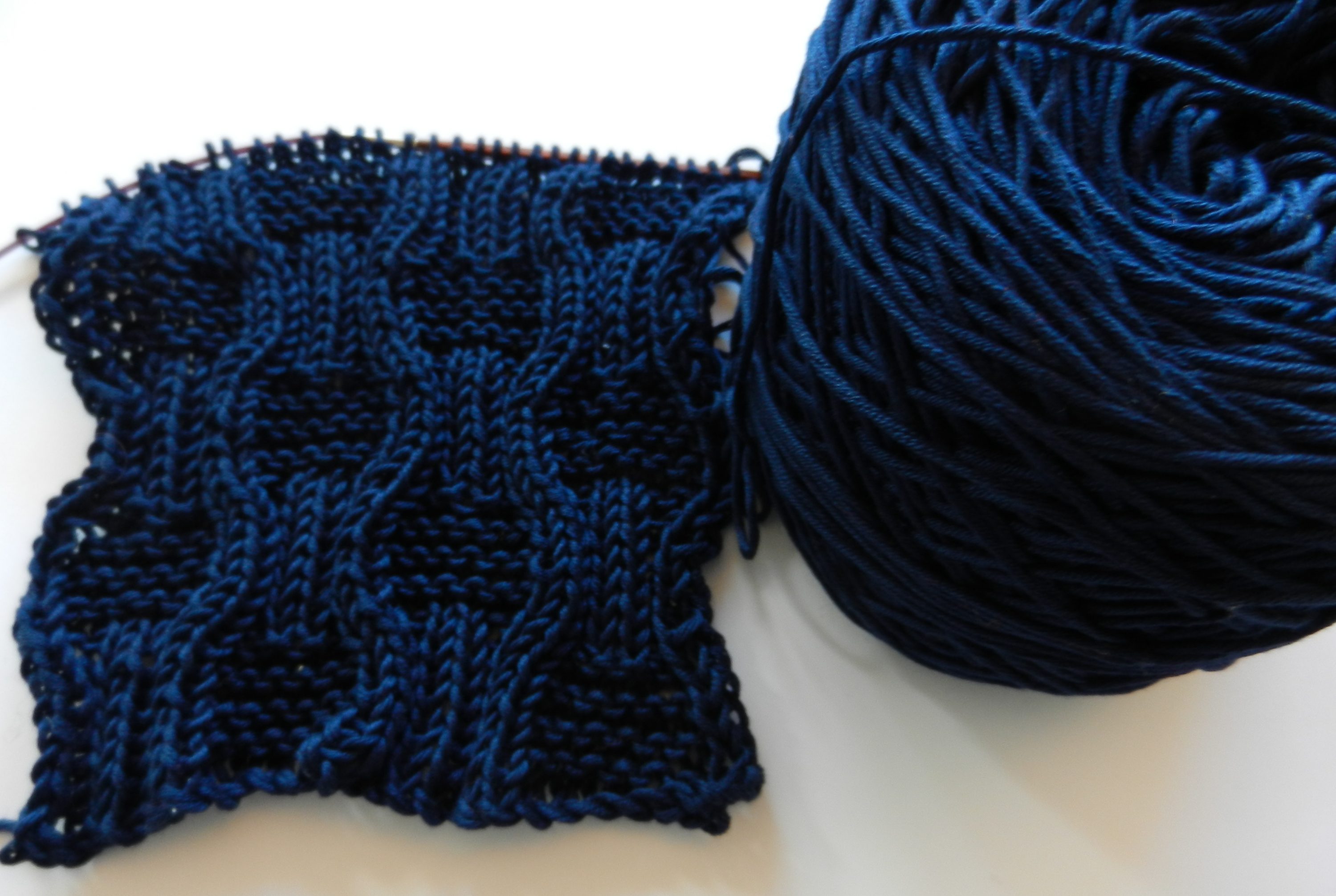
The navy blue sample is a wavy rib pattern. None of them have reached a garment state yet and I am still considering whether I should make them into a possible set to be worn together or on top of each other. Maybe lace sleeves and a simpler body stitch pattern? Wavy rib vest or shawl with buttons? While I ponder some more, do look at all these marvelous colours.

Share

Button Hunting at Easter

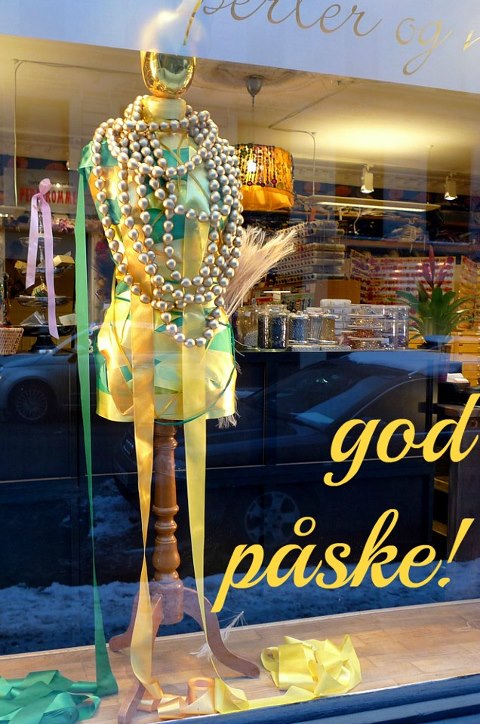
It is Easter, and I am on a button hunt. I do know that it is the not the kind of hunt you are supposed to be on during Easter, but not unusual for me though! Where do I go? My favorite button treasure trove is Perlehuset/The beading house in Grønnegate off Hedgehaugsveien in Oslo – here: perlehuset. It is a tiny shop but do not be fooled the selection is off another world and their warehouse is numerous times the size of the shop – yes, I do know because I have been there. You can read about my exploration of it here: thousands-of-tons-of-buttons-and-beads. Of course I have to check out their latest selection of beads as well while I am there – their latest offerings on Facebook has made me very curious indeed: semi precious stones on a string. No, not for knitting but for making jewelry. Do study their tempting window display below. God Påske is Norwegian for Happy Easter and that is what I wish you all!

Share

The Thief in Oslo

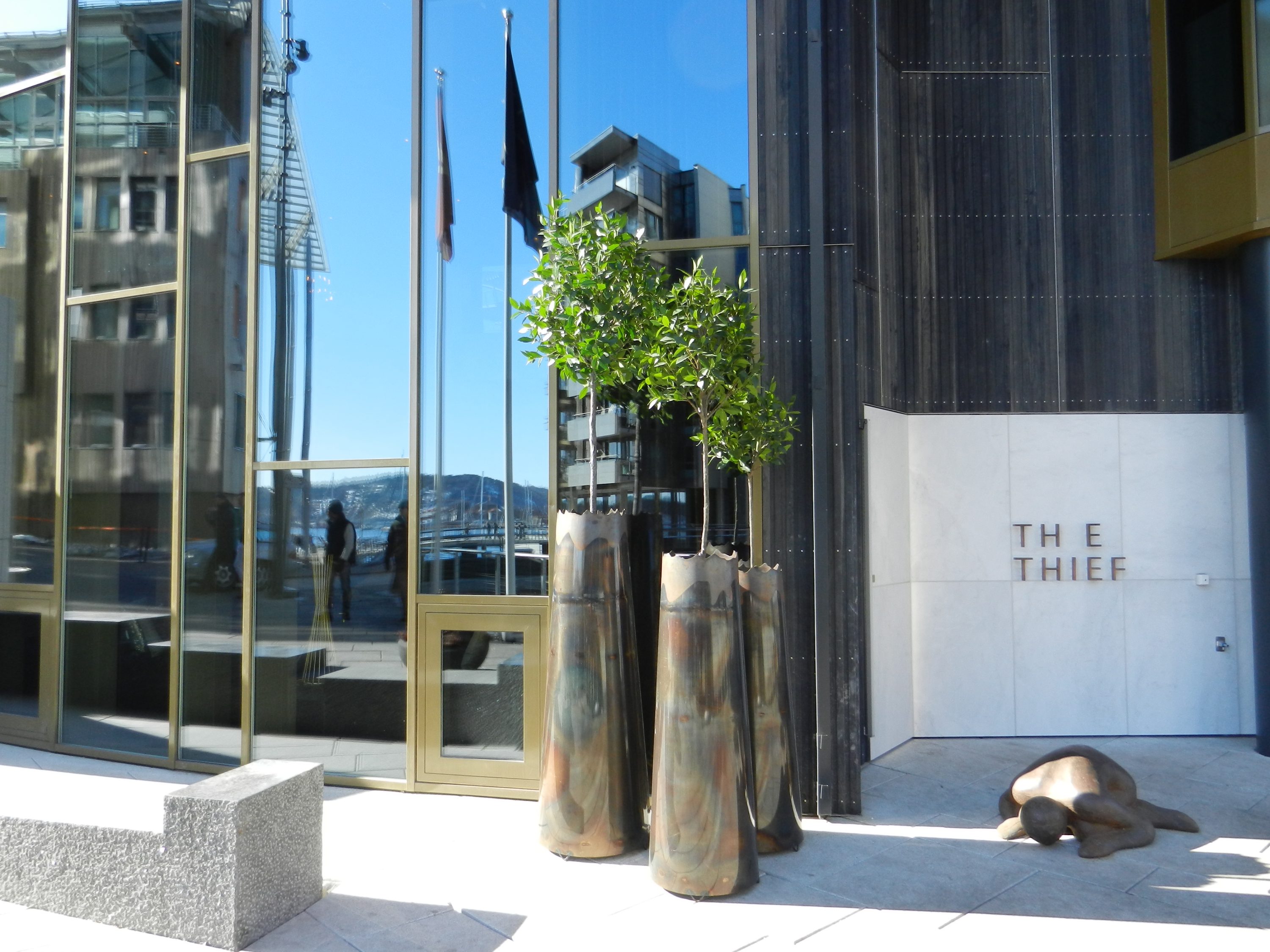
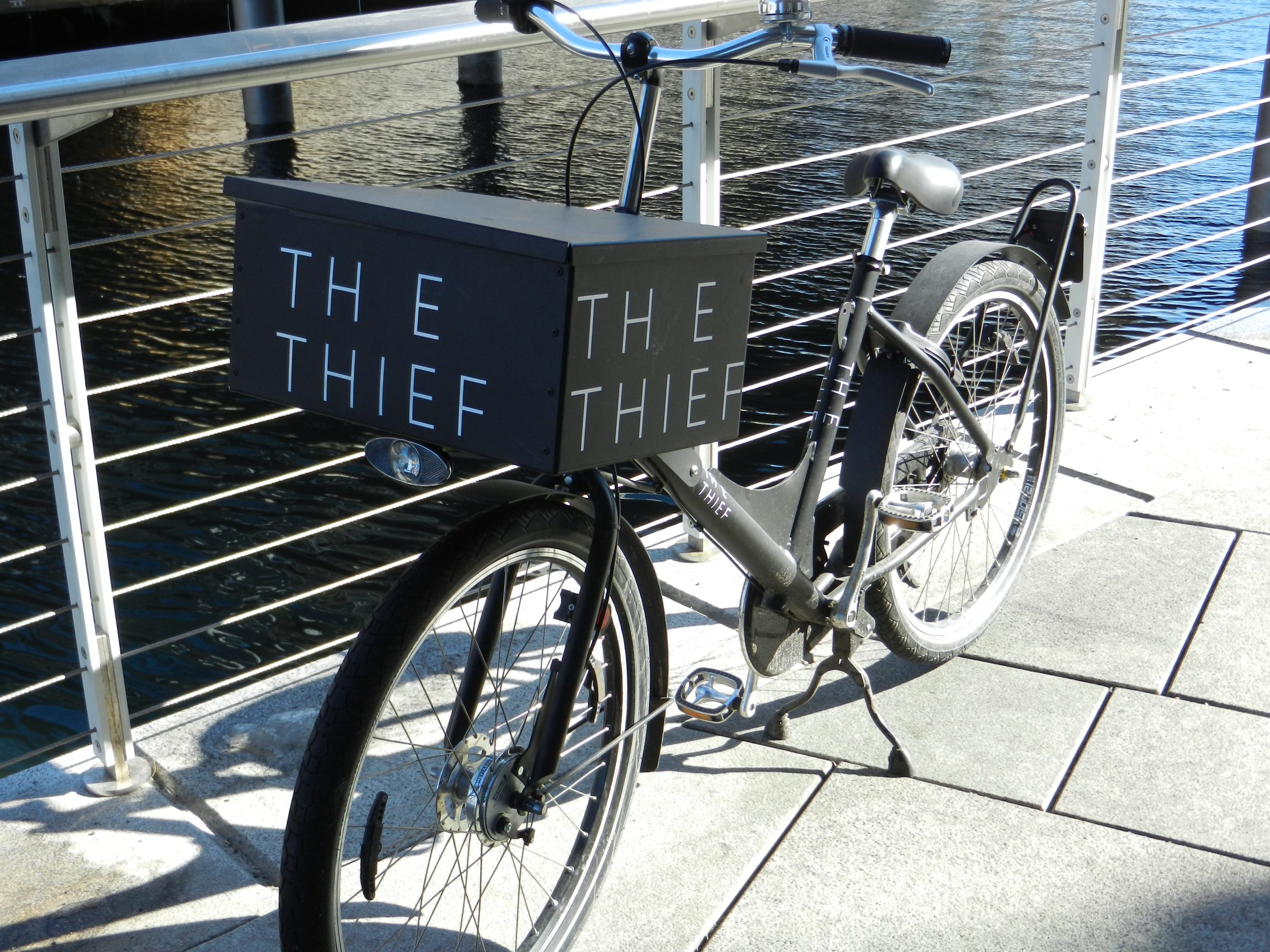
Who? Not who, but what; A new luxurious hotel located at the waterfront at Aker Brygge/Wharf. Named The Thief because of its location at Tjuvholmen/Thief Island which used to be a home to criminals and shady dealings back in the 18th century but has now been turned into a prime location with restaurants and art galleries. My husband and I were curious to check it out, after reading about it in the newspapers. Sunday brought glorious but cold weather as you can see reflected in the windows of the reception at The Thief. I admired and enjoyed the art outside and inside the hotel, curated by Sune Nordgren, several pieces on loan from the nearby Astrup Fearnley Museum. Yes, a sponsorship agreement, highly unusual for an hotel. He claims: “Redefining hotel art is about giving the guests quality experiences, causing reflection and perhaps changing their perception of reality for a brief moment.” Thief Artists in 2013 include Peter Blake, Magne Furuholmen, Antony Gormley, Marianne Heske, Kjell Nuppen and Andy Warhol among others. See the complete list here: thethief

The architects is the award winning Mellbye Architects: “The facade has been given a dark expression giving the arriving guest a bit of surreal feeling. It does take a few blinks to realise it is an hotel and not a mirage or computer rendering.” Granite, black and dark colors and gold distinguishes the five star hotel from its lighter design hotel cousins. One review criticized the dark interior and compared its style with its owner Petter A. Stordalen. More on him in this interesting article: To Catch a Thief: madebyoriginals. And yes I agree, his love of leather trousers and jewellry does make him fit in extremely well. But I would so much rather visit such a dark innovative hotel any day than a neutral one…

You will find more interesting stories in The Thief’s web magazine here: thethief. And finally, I do like their mantra: At The Thief we treat rock stars as guest and guest as rock stars…

Share

New Design: Cable On Scarf

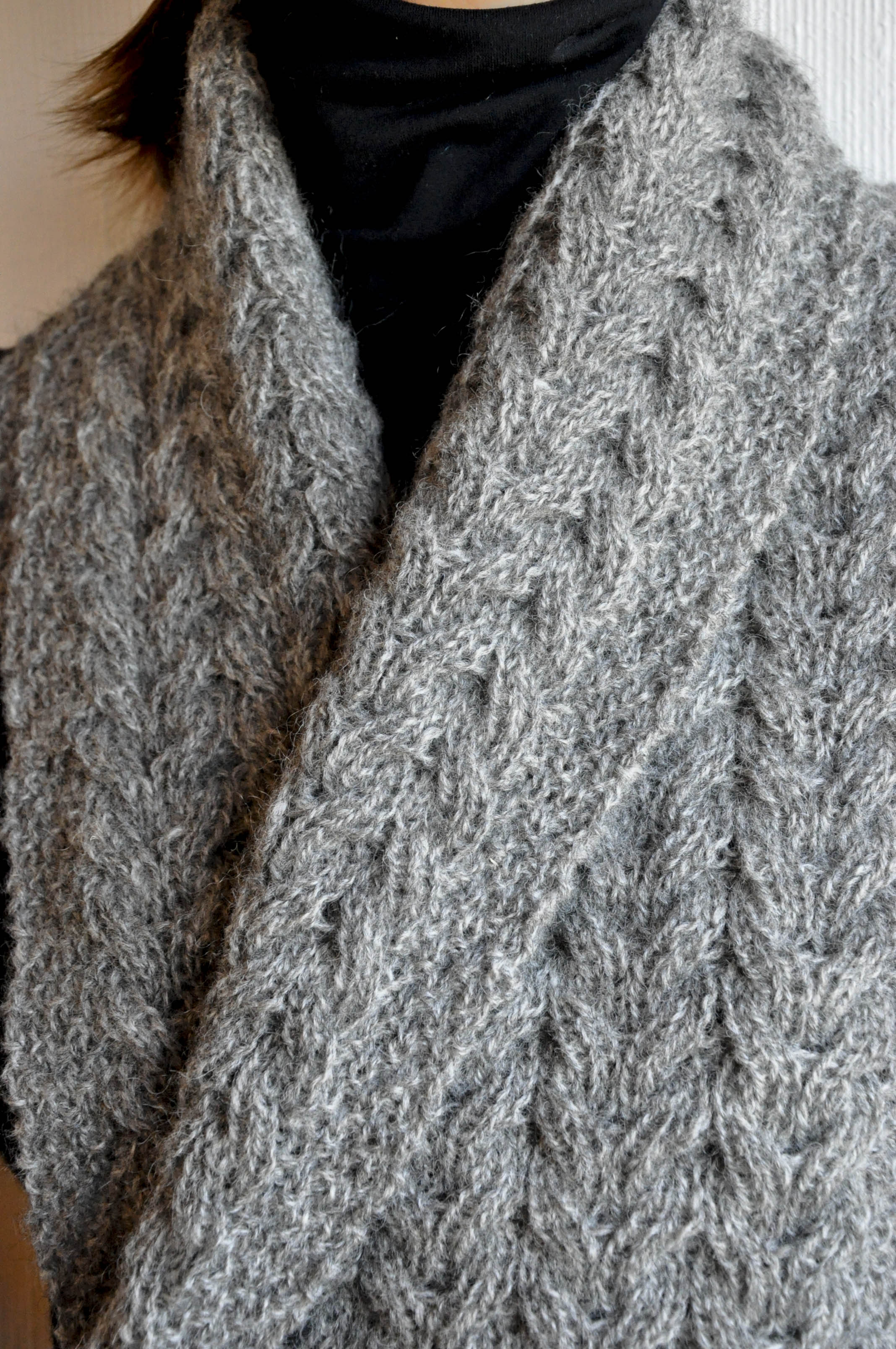
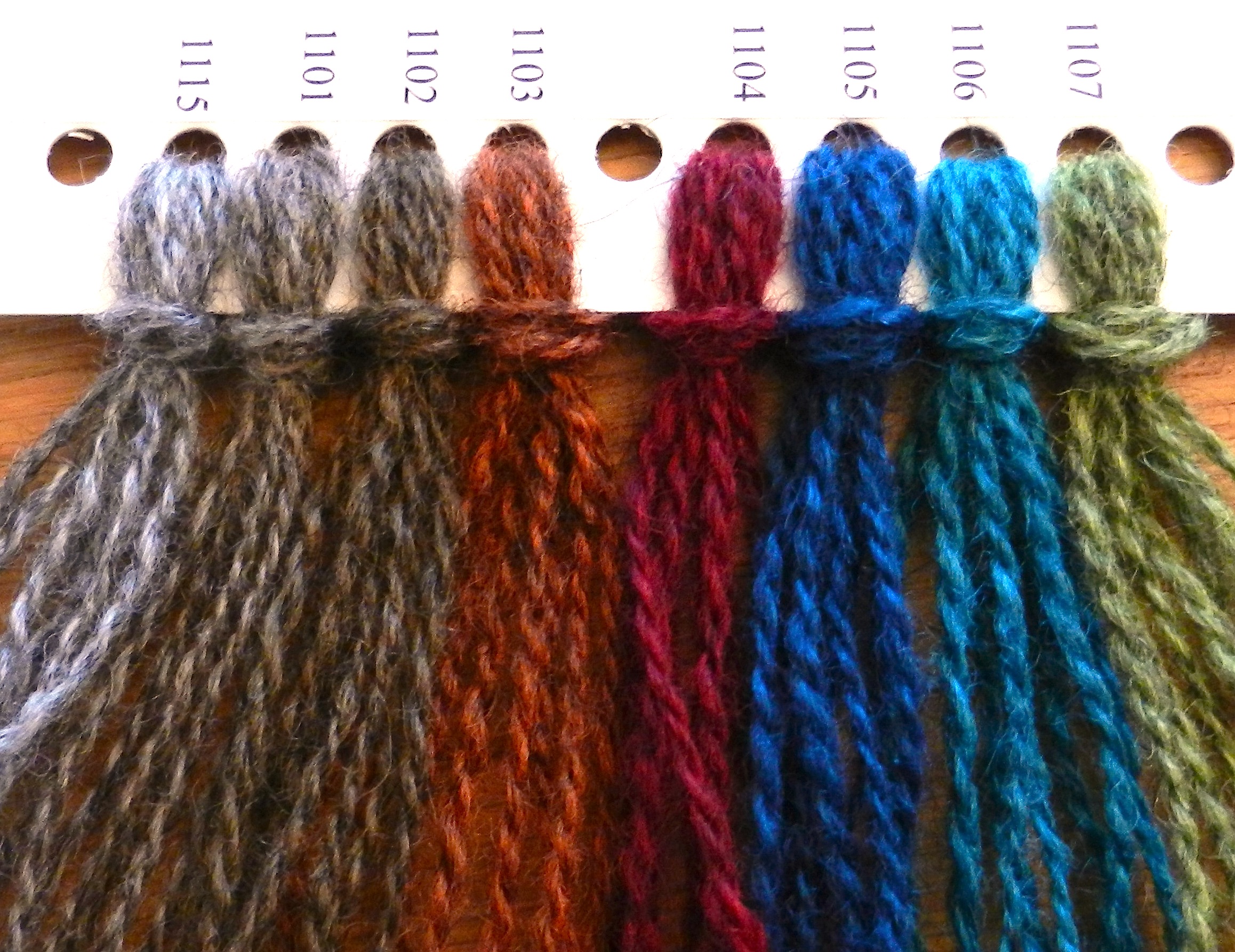
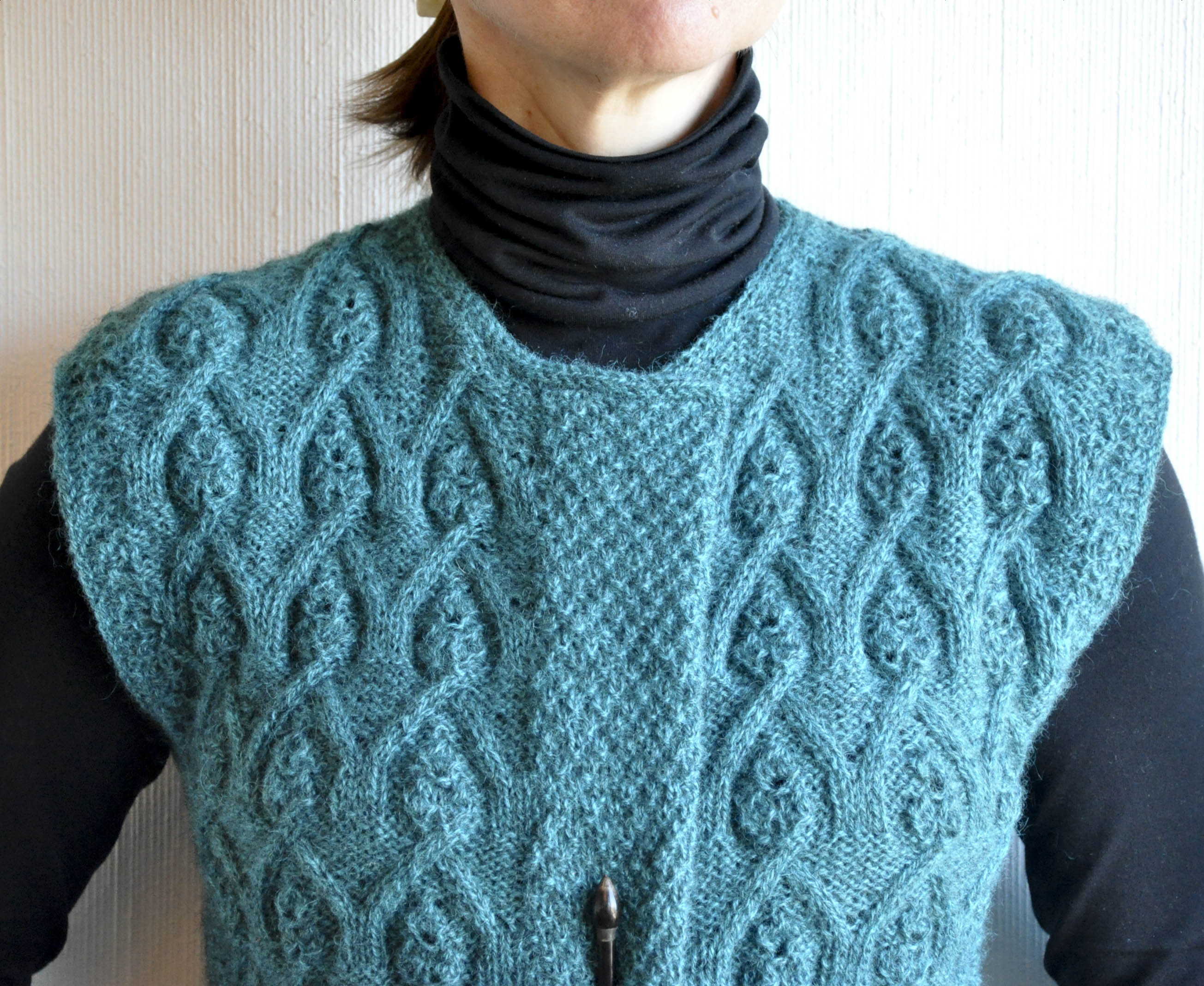
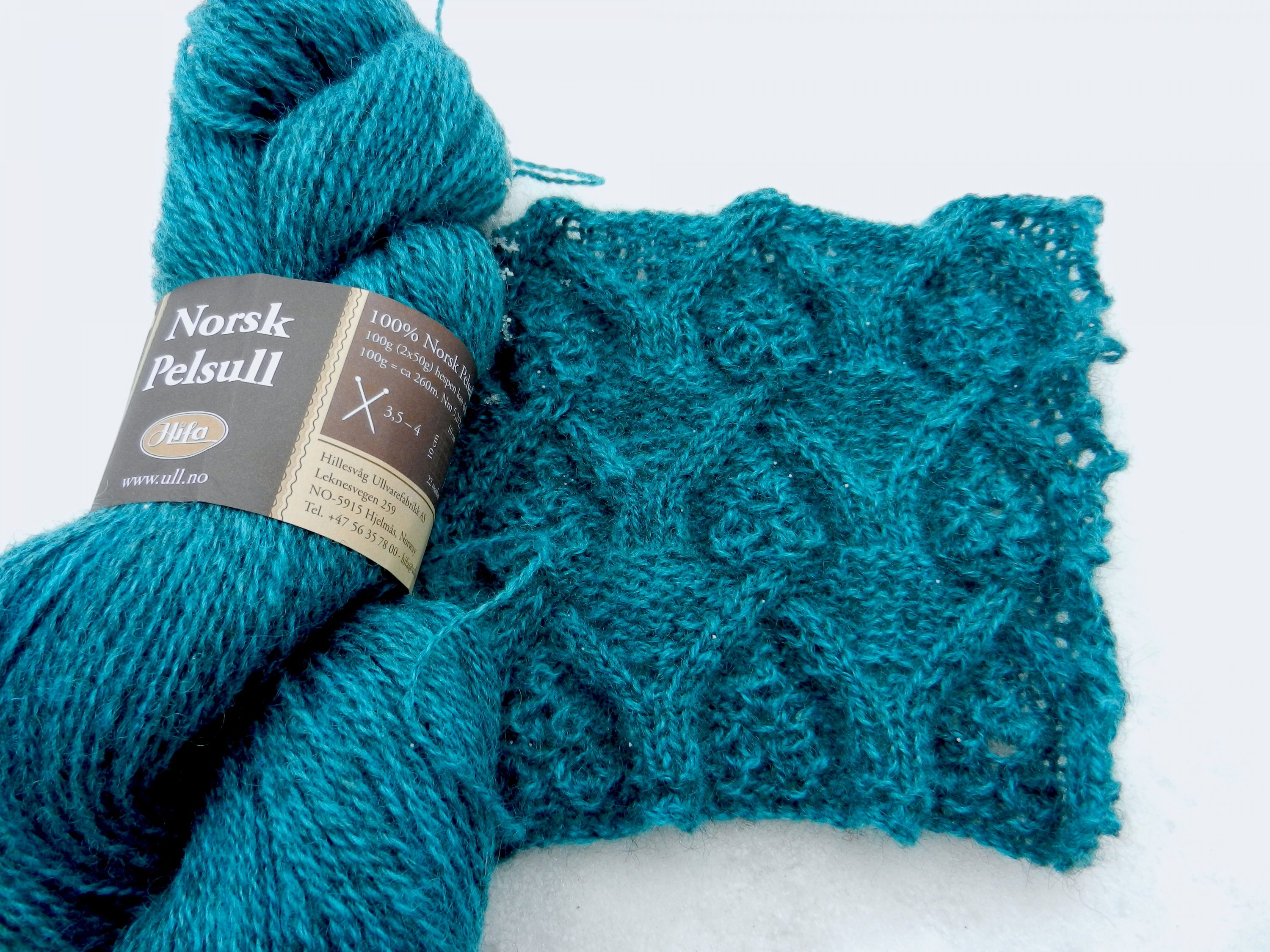
I finished this scarf a few months back, but had initially planned to use it as an accessory to the Arcade Vest. But since I opted for a round neck instead of a v-neck, and its natural light grey color does not make for a perfect pair with the turquoise, it is on its own – at least for now. The Cable On Scarf is reversible made up of rib stitches instead of the usual stocking stitches, framed by double moss on each side. The horn shaped cables adds texture and depth to this generous scarf. Why not wear it as a decorative warm collar. It is knitted in the classic natural grey shade of the beautiful Norsk/Norwegian Pelsull/Furyarn by Hifa using a 3.5 mm/US 4. Available here at: ull, see the first colours below, another 7 have been added since yarn launch. The pattern has been bought by the Norwegian magazine Familien/The Family but will not be published until the autumn since spring is on its way.

I will show you the professional photo when it is ready, probably not until early autumn. The pattern will be available in my Ravelry store in both English and Norwegian, a year after publication of the magazine. I am working on more designs, but did not make it into to Twist Collective fall 2013 issue only onto the short list, so I am not discouraged and will try again!

Do take a look at Nina’s Milanese Shawl knitted in a stunning brown shade of Wollmeise Lace again with homemade covered buttons here: fiberandart. The pattern is in my Norwegian (and Finnish) knitting book, and sold in English in my Ravelry store here: linda-marveng. In addition, she – a speedy knitter – has also knitted the Open Triangles Cowl and Wristwarmers from the pattern published in Familien issue 2, and I am so thrilled with her selection of designer, look at: fiberandart.

Share

Yarn Newsletter – Jimmy Beans Wool

I have recently discovered Jimmy Beans Wool online – yes, I was looking for more yarn, Tosh DK actually, and found it – and hence their excellent newsletter. It has a magazine feel with an incredible amount of useful information. Updates on their own KALs – currently Game of Thrones Mystery KAL (Knit-along), based on the popular television series by HBO (for more info see the page on Ravelry game-of-thrones-mystery-kal). New yarns with detailed descriptions and photos, latest in inspiration – a great way of keeping updated on books and pattern booklets. It even includes a free pattern in addition to Terry’s Tips; usually a video clip; this time it is short rows with a wrap and turn. Of course it includes a sale section, staff (known as Beans) projects on needles, meet a Bean and an update on events. Amazing, how well informed I feel after just minutes of reading. The February newsletter tempted me with new luxurious yarns from Lotus Yarns made by pure mink and pure yak fibers. Yes, I would very much like to test those two; how they knit up and feel on my hands! Take a look here: newsletter and see if you agree. They are on my list of yarns to test, and as you probably guessed they are at the higher end of the price range. I do admit it, I am a yarn snob and take great pleasure in reading about new luxurious yarns!

Share

New Design: Arcade Vest

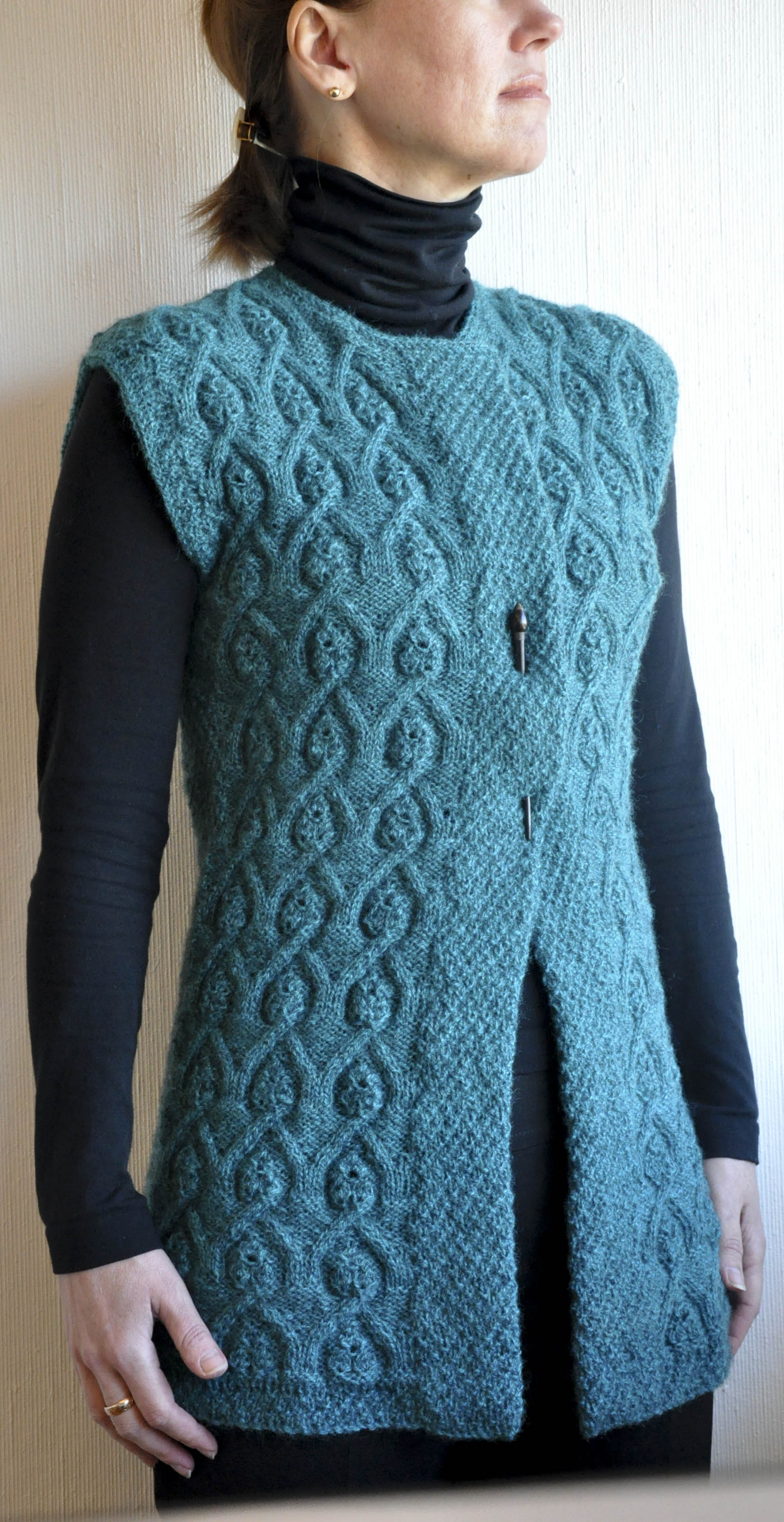
Yes, it is finally finished (= FO: finished object) and I am pleased with the result. A straight vest inspired by Haider Ackermann’s strict architectonic style and jewel colors. Arcades made by twists and cables, framed by double moss/seed stitch and outlined by an I-cord edge around neck and armholes. The double front adds volume and shape. You can close it as you wish; with a shawl pin, brooch or a belt. Stylish when closed at the top for an asymmetrical look. Using a 3.5mm/US 4, it has been a delight to knit in the newly launched Norsk Pelsull/Norwegian Furwool, a pure wool with a subtle sheen available in stunning melange shades here: ull.no. I am pleased to announce that the pattern has been sold to the Norwegian magazine Familien/The Family and will be published shortly – before the autumn, date to be confirmed. The pattern will be available in English in my Ravelry store (ravelry) a year after magazine publication – in the mean time you can queue it…

I needed time to consider what type of edge I should chose on this project – see my work-in-progress-wip post. In the end, it was trial and error. Making an edge on a swatch does not always solve the edging issue. I found the double moss/seed stitch edging at the front too flimsy and folded it completely – one of the options I had considered from the outset. The neck, I decided was perfect with an I-cord cast/bind off, for definition and a bit of added volume. I tried the same at the armhole but realised that the armhole needed a bit of shaping in addition so I chose to knit several rounds of moss/seed stitch first with a few decreases and then an I-cord cast/bind off. I considered adding buttons to the front, but prefer to wear it asymmetrical hence I made no buttonholes. A good option would be to add a decorative button – or more – with a snap fastener at the back, I believe.

The vest is knitted in one piece, half of each moss/seed stitch panel is folded back as interfacing – knitted together at the top and sewn in place along the WS. The neck stitches are picked up and cast/bind off with an I-cord. While the armholes are similar but worked in the round with a few rows of moss/seed stitch first before the cast/bind off. The arcade pattern – yes, it is from Barbara Walker’s second-treasury-of-knitting-patterns – consists of twists, increased and decreased stitches in the middle and is quite difficult to read but does feel like working with lego project: building arcades. It did not take long until I learned the stitch pattern by heart. That is my type of stitch pattern!

Share